Table of Contents
What Are Wooden Plank Houses?
Simple Definition
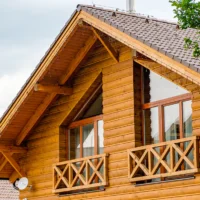
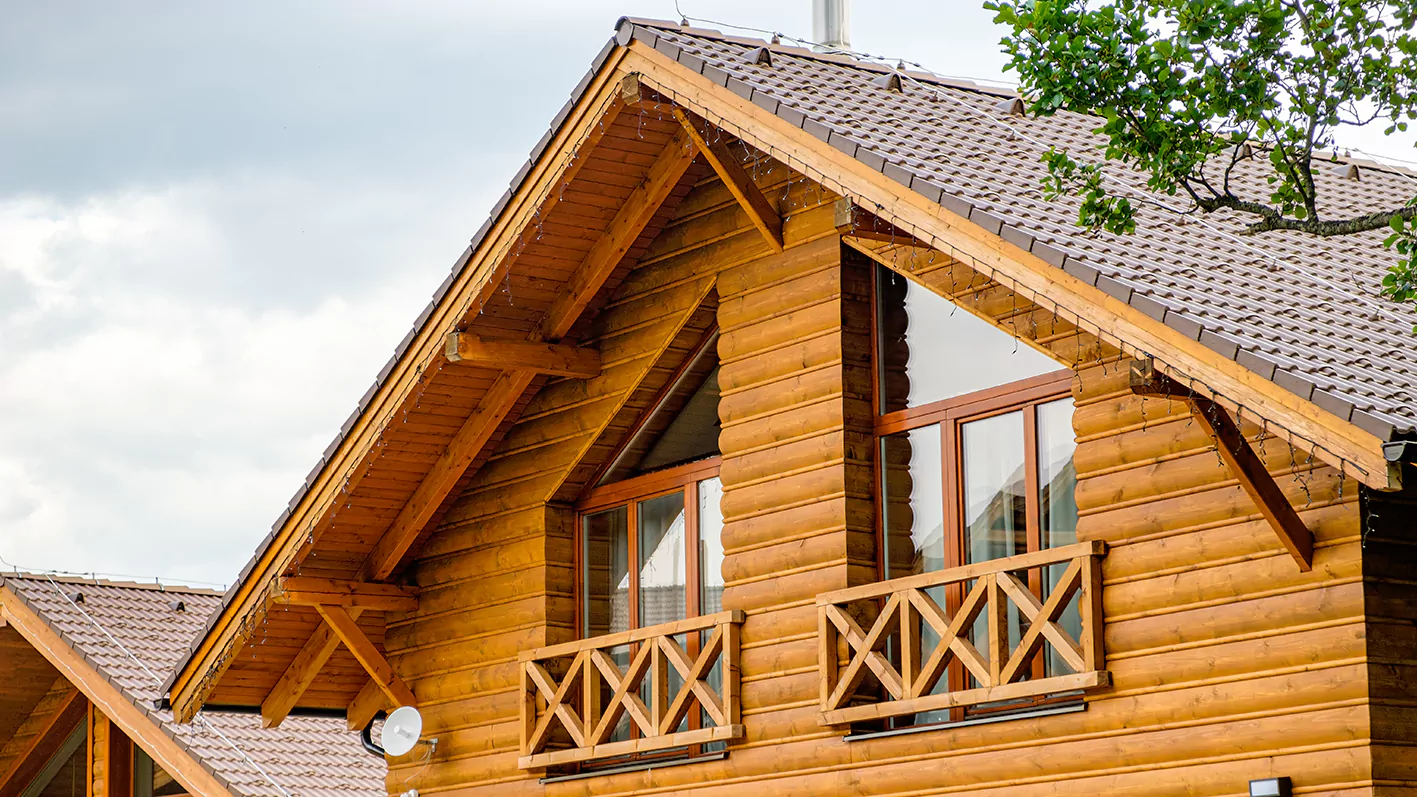
Wooden plank houses are residential structures primarily constructed using horizontal or vertical wooden planks. These planks serve as both the frame and exterior cladding, creating a cohesive, sturdy, and naturally aesthetic home. Unlike traditional log cabins, which rely on whole logs, a wood plank house uses flattened, uniform planks that allow for precise assembly and a modern finish. This approach makes the construction process faster, while maintaining the warmth and charm of natural wood.
Difference Between a Wooden Plank House and Other Wood Homes
While all wood homes share the natural appeal of timber, wooden plank houses are distinct due to their plank-based construction. Log homes, for instance, use large logs stacked horizontally, emphasizing a rustic, chunky look. Meanwhile, timber frame houses rely on internal skeletons of large beams, which are then covered with siding. In contrast, a wood plank house blends structural integrity with flexibility in design. The planks can be arranged in multiple styles—vertical, horizontal, or mixed—offering both aesthetic versatility and improved insulation.
Popularity Around the World (Scandinavian, American Cabin Style)
Wooden plank houses enjoy widespread popularity globally. In Scandinavia, their minimalistic design emphasizes functionality and sustainability, perfectly suited to snowy climates. Natural finishes and large windows maximize light during short winter days, enhancing the cozy atmosphere. Meanwhile, in the United States, especially in rural or mountainous regions, plank houses often take the form of cabins. These homes emphasize rustic charm while being practical for diverse weather conditions. Over the years, wooden plank houses have also gained traction in urban settings, where modern adaptations with sleek lines and open interiors appeal to homeowners seeking eco-friendly alternatives.
Benefits of Building a Wooden Plank House
Natural Aesthetics & Rustic Charm
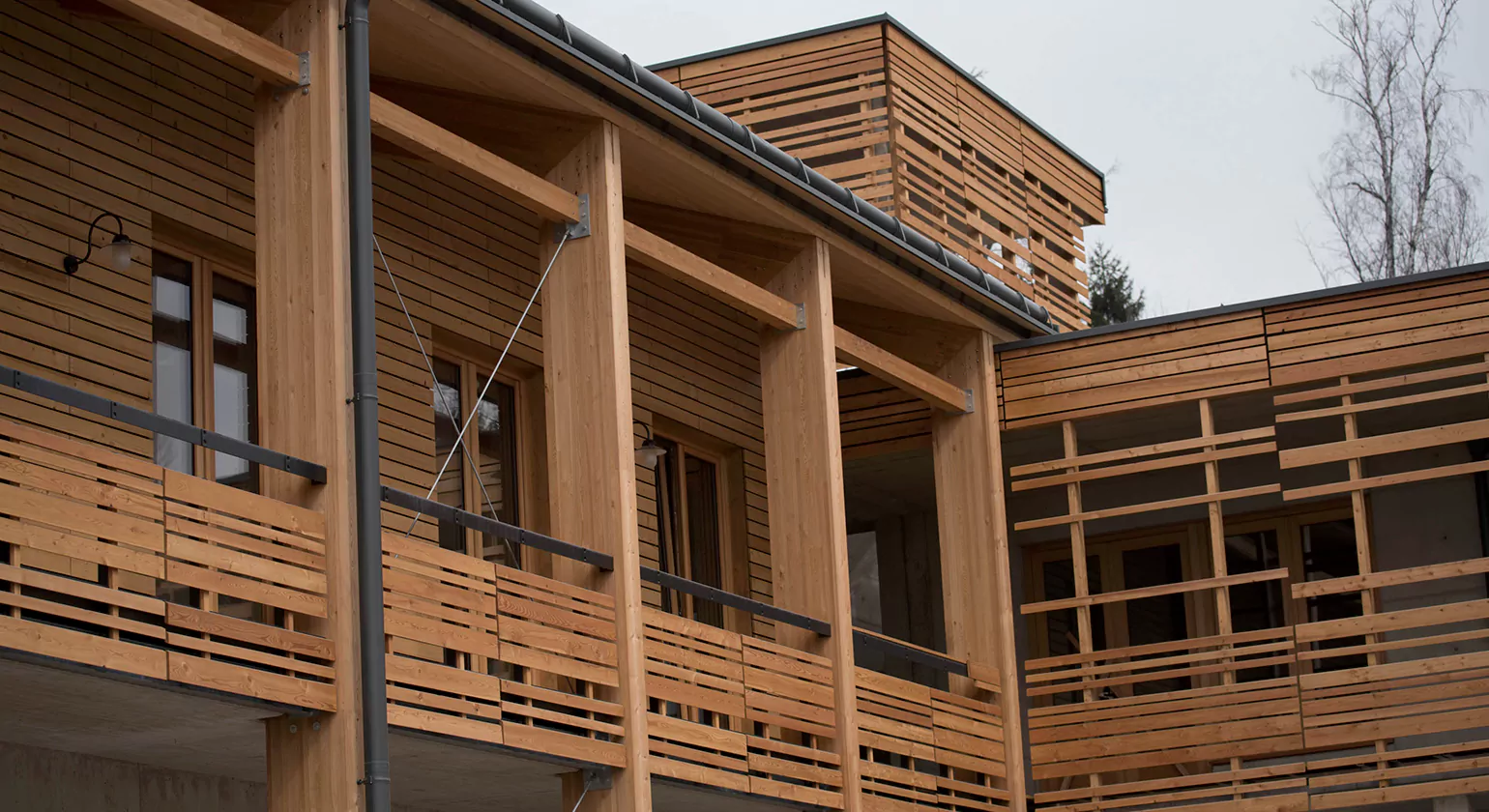
One of the most compelling advantages of a wooden plank house is its timeless beauty. Wood’s natural grain, texture, and color add warmth to any space, creating an inviting and cozy environment. Moreover, plank-based exteriors can be stained, painted, or left untreated to highlight their organic charm. This natural appeal blends seamlessly with gardens, forests, and suburban landscapes, enhancing the overall aesthetic value of the property.
Durability & Insulation Properties
Wooden plank houses are not only visually appealing but also highly durable. High-quality planks, particularly those made from cedar, pine, or oak, resist wear, rot, and pests when properly treated. Additionally, wood acts as a natural insulator, keeping interiors warm during winters and cool in summers. Homeowners often find that a wood plank house reduces reliance on artificial heating and cooling, improving energy efficiency without compromising comfort.
Cost-Effective Compared to Brick or Concrete
Constructing a wooden plank house can be more affordable than traditional brick or concrete homes. Planks are easier to source, transport, and assemble, which reduces labor costs and construction timelines. For many, this cost-effectiveness does not sacrifice longevity, as proper maintenance ensures the home lasts decades. Furthermore, prefabricated wood plank modules simplify installation, offering additional savings without compromising structural integrity.
Sustainability & Eco-Friendliness
Sustainability is another key benefit of wooden plank houses. Wood is a renewable resource, and when sourced responsibly, it reduces environmental impact. Plank-based homes often have lower carbon footprints compared to concrete or steel structures, supporting eco-friendly living. Additionally, their energy efficiency contributes to greener living by reducing long-term energy consumption and operational costs.
Types of Wooden Plank Houses
Traditional Log-Style Homes
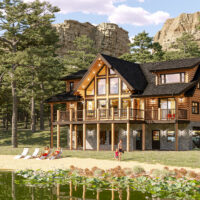
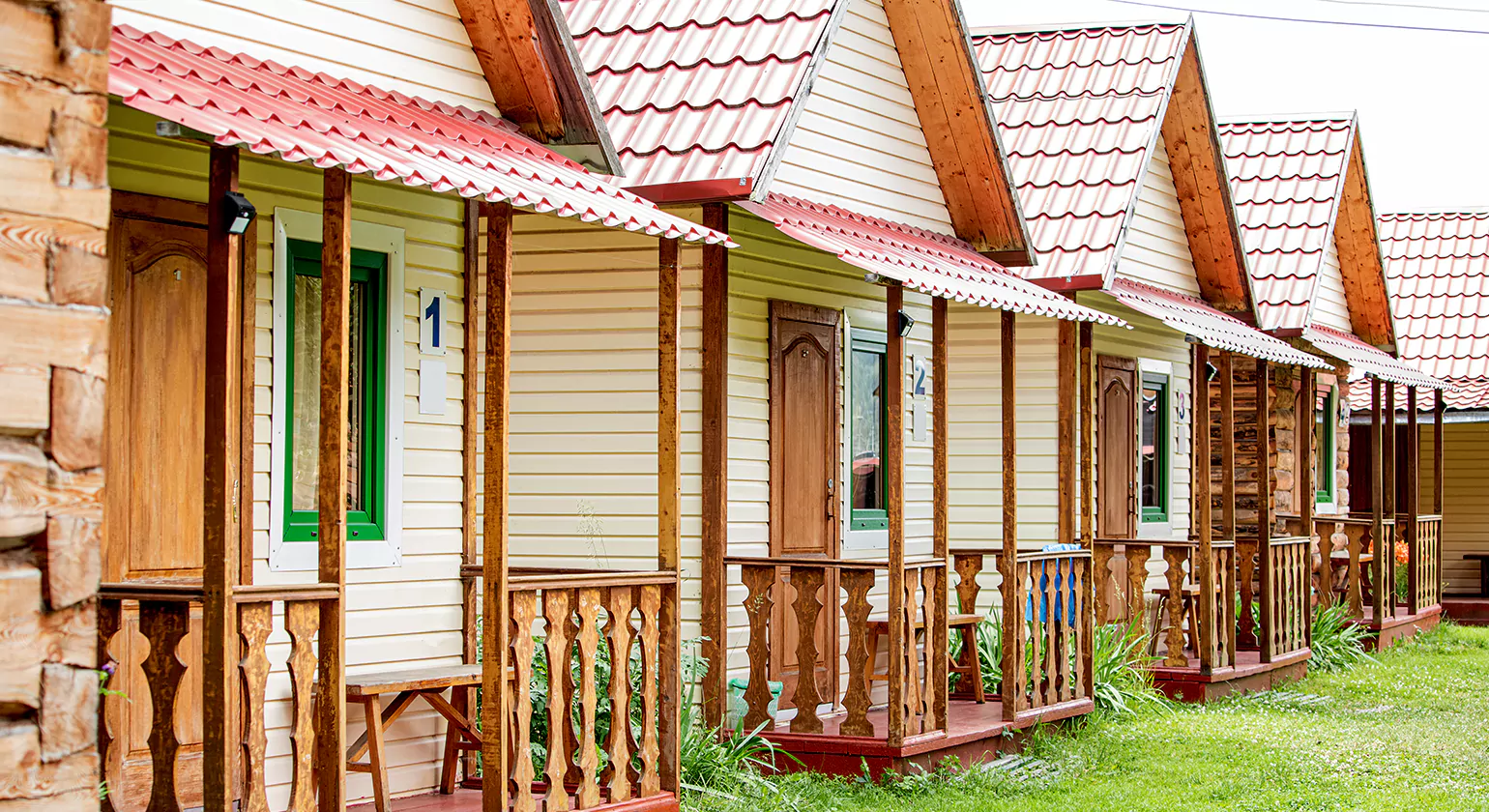
Traditional log-style homes are among the earliest forms of wooden plank houses. Built with thick planks or logs, these structures offer exceptional durability and rustic charm. Unlike modern designs, the log-style emphasizes handcrafted details, visible timber textures, and cozy interiors. Consequently, they remain popular in regions with cold climates, where insulation and warmth are essential. Additionally, many homeowners choose this style to preserve cultural and architectural heritage.
Modern Minimalist Wood Plank Houses
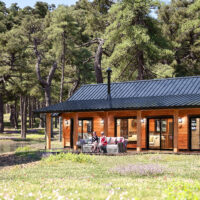
In contrast, modern minimalist wooden plank houses focus on simplicity, clean lines, and open spaces. Planks are arranged horizontally or vertically to create sleek facades, often combined with glass or metal elements. A wood plank house of this type maximizes natural light, encourages efficient space utilization, and highlights the natural beauty of wood without overwhelming the design. For urban settings, minimalism meets both aesthetic and functional needs.
Prefabricated Plank Houses (Modular Homes)
Prefabricated plank homes, also known as modular homes, offer convenience and speed. Sections are pre-made in factories and then assembled on-site, reducing construction time and labor costs. These wooden plank houses are ideal for buyers who prefer customization but want to avoid prolonged construction. Furthermore, prefabricated designs maintain structural integrity and can be easily expanded or modified, making them a flexible choice for growing families.
Tiny Wooden Plank Cabins for Backyards
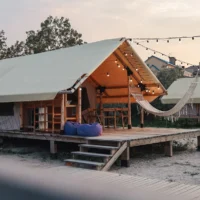
Tiny cabins or backyard cottages have gained popularity as functional extensions of larger homes. These small-scale wood plank houses provide additional living space, home offices, or guest accommodations. Their compact size makes them cost-effective, easier to maintain, and quick to construct. Despite their simplicity, these cabins offer the same natural charm and aesthetic appeal found in larger wooden homes.
Wood Plank House Design Ideas
Contemporary vs. Rustic Looks
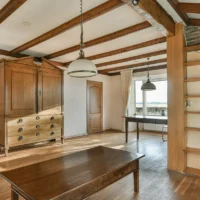
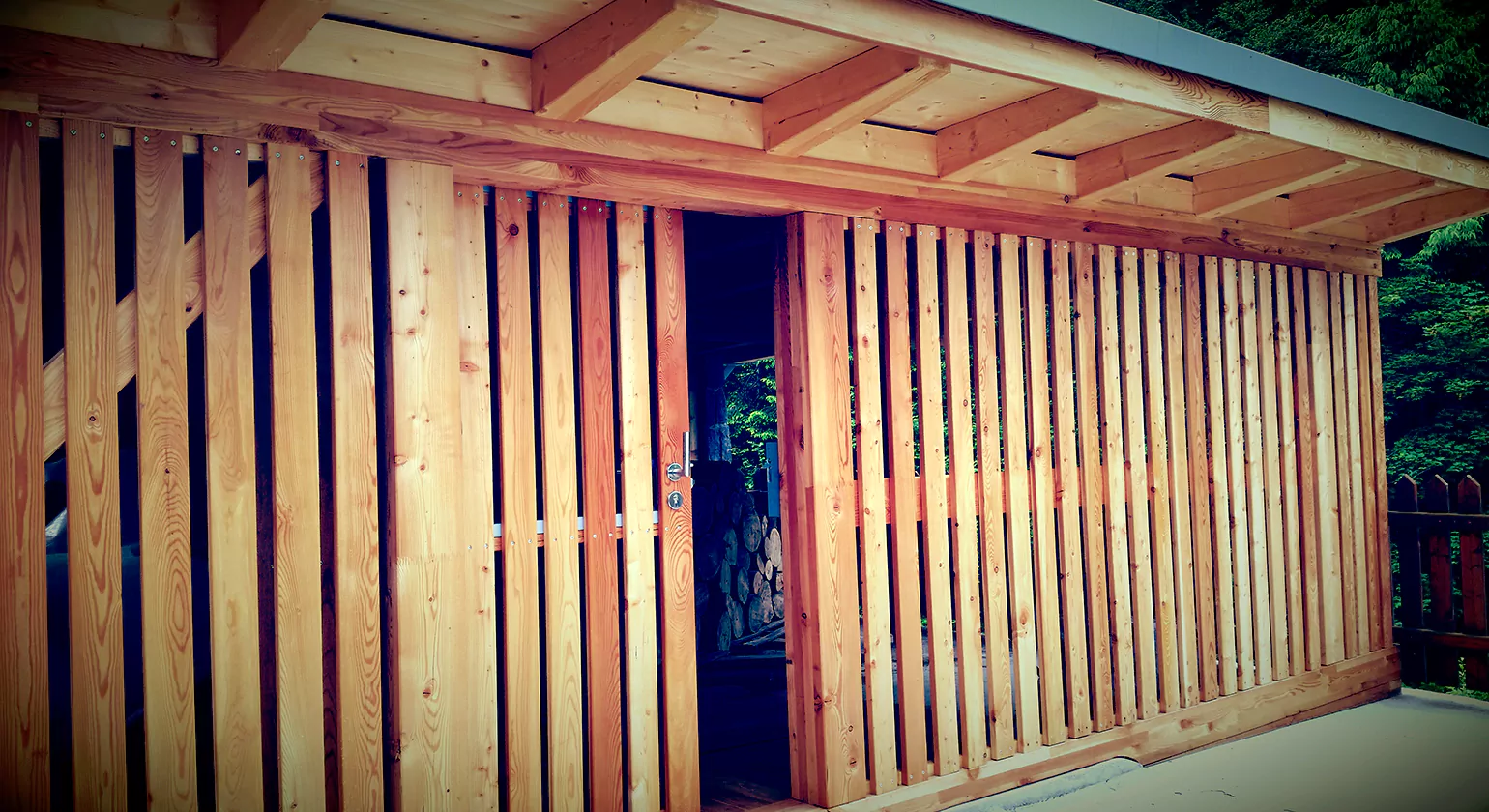
When designing a wooden plank house, homeowners often debate between contemporary and rustic styles. Contemporary designs feature minimal ornamentation, flat roofs, and large windows, creating a bright, airy atmosphere. On the other hand, rustic designs emphasize natural textures, exposed beams, and traditional finishes. A wood plank house can combine both approaches by balancing modern amenities with classic timber aesthetics, delivering comfort and style.
Minimalist Interiors with Open Spaces
Interior design plays a crucial role in enhancing the appeal of wooden plank houses. Minimalist interiors with open layouts improve airflow, natural lighting, and functional space. Furniture made of complementary wood or neutral tones further accentuates the warmth of the planks. As a result, homeowners experience a seamless connection between structural materials and living areas, enhancing both comfort and visual appeal.
Best Wood Types for Aesthetic & Longevity
Selecting the right wood is critical for both durability and beauty. Pine, cedar, and oak are popular choices, each offering unique characteristics. Pine is lightweight and versatile, cedar resists pests and moisture, and oak provides strength and a timeless look. Choosing the appropriate wood ensures that a wood plank house maintains its aesthetic appeal and structural integrity for decades.
Inspiration Gallery for Small, Medium, and Large Homes
Visual inspiration can guide homeowners in choosing layouts and finishes. From tiny backyard cabins to expansive multi-story wooden plank houses, each design offers creative possibilities. By exploring different sizes and layouts, individuals can determine the most suitable style for their environment, budget, and personal taste, ensuring a home that is both functional and beautiful.
Backyard Pavilion Kits & Outdoor Extensions
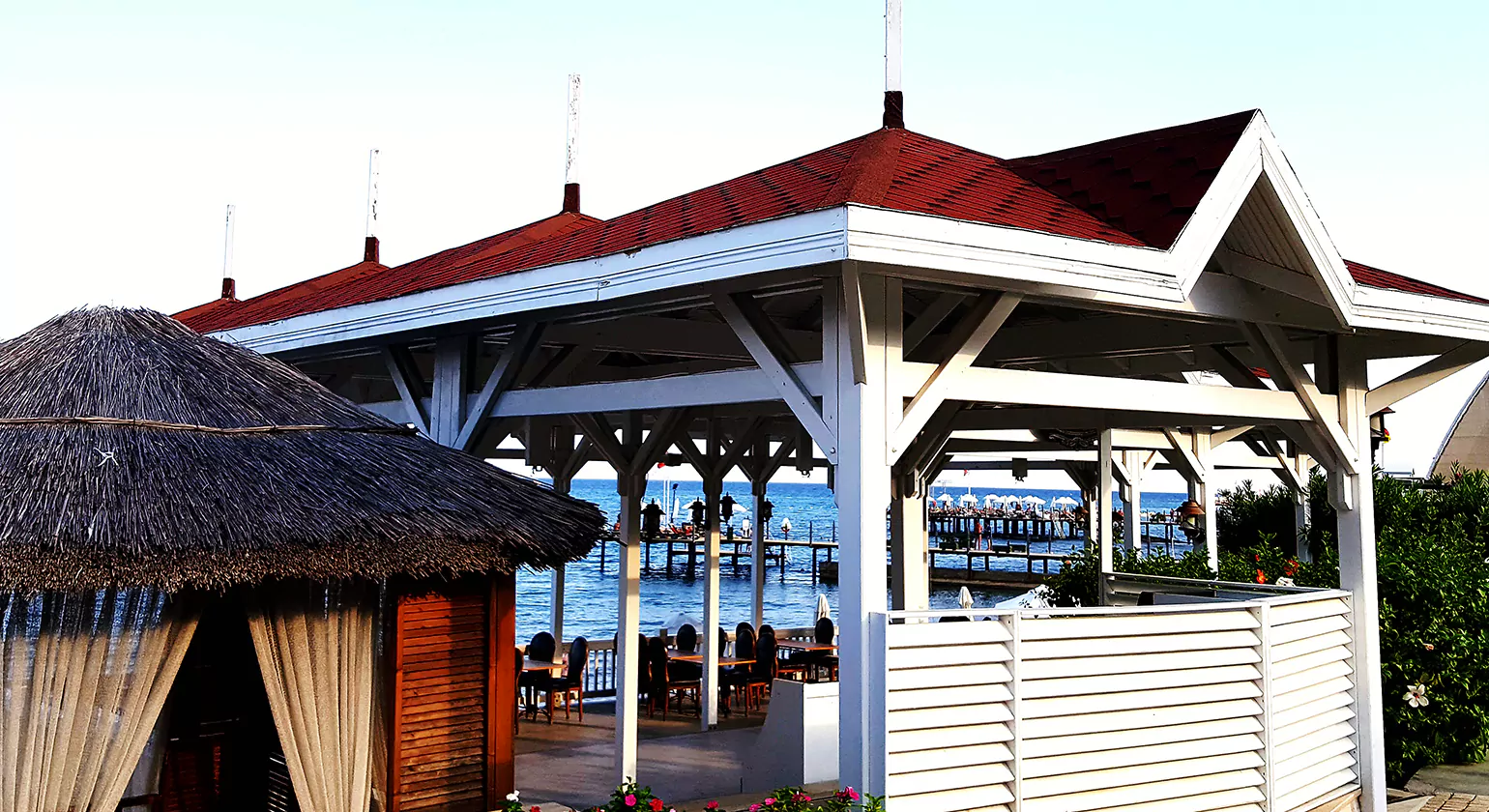
How to Complement a Wood Plank House with a Backyard Pavilion Kit
Enhancing a wooden plank house with backyard pavilion kits can dramatically elevate outdoor living. These kits allow homeowners to create functional, attractive spaces that blend seamlessly with the natural charm of wood plank construction. By selecting a pavilion style that complements the home’s design, whether modern or rustic, you can ensure a cohesive look. Furthermore, using similar wood types or finishes maintains harmony between indoor and outdoor areas.
Outdoor Living Spaces, Decks, Pergolas, and Patios
Outdoor extensions such as decks, pergolas, and patios enhance usability and aesthetic appeal. A well-designed deck can serve as an entertainment hub, while pergolas provide shaded areas perfect for relaxation. Patios extend living spaces directly from the home, offering seamless access to gardens. Integrating these structures with backyard pavilion kits ensures that each element contributes to a unified outdoor environment, maximizing comfort and functionality.
Creating a Seamless Transition Between House & Garden
To create a natural flow between the home and the garden, careful planning is essential. Align pathways, lighting, and materials to complement the wooden plank houses’ exterior. Additionally, incorporating plants and greenery around pavilions softens edges and reinforces a connection with nature. This seamless transition enhances not only visual appeal but also daily usability, encouraging more outdoor activity and family gatherings.
Step-by-Step Wooden Plank House Construction Process
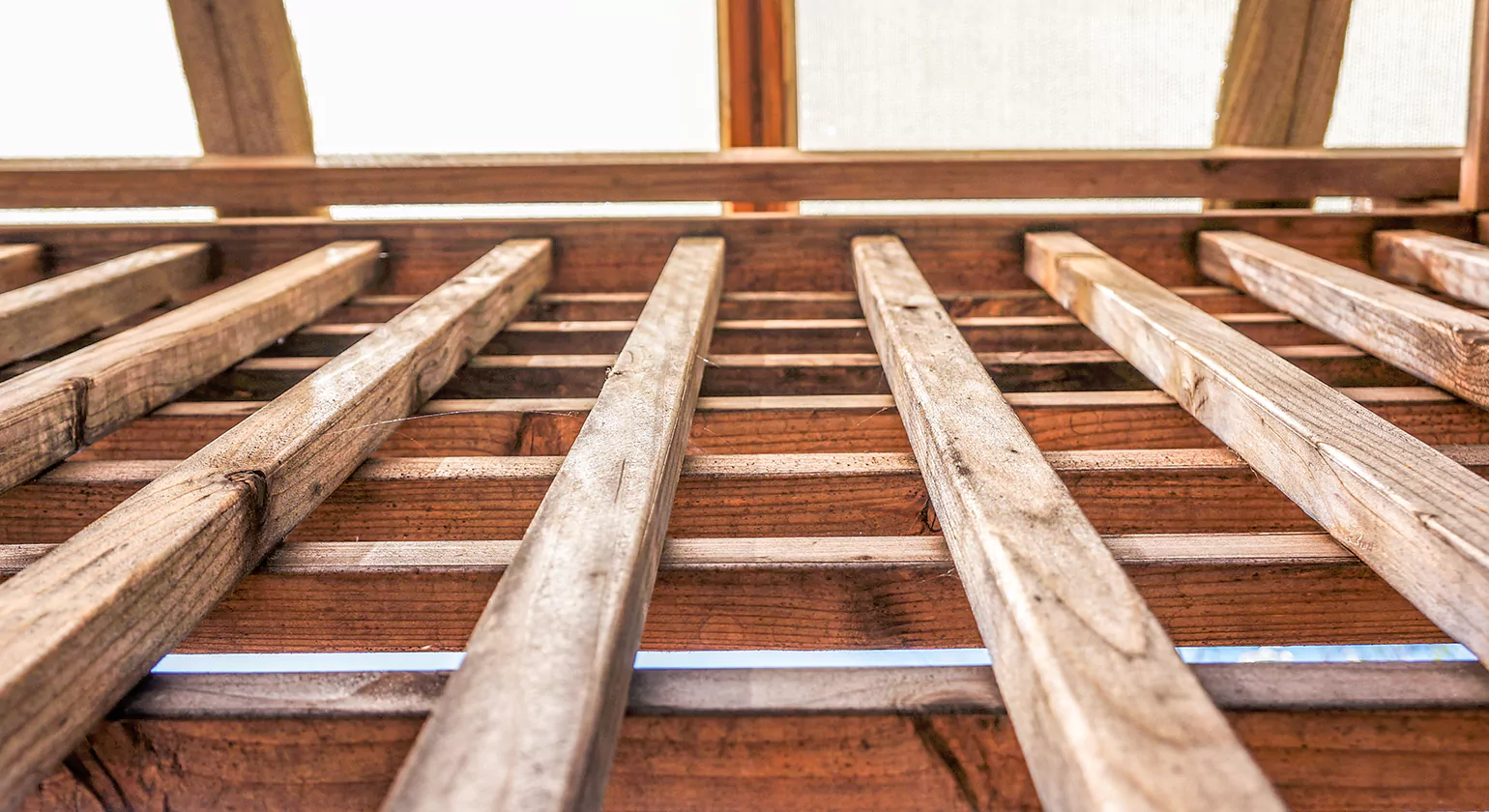
Site Selection & Foundation Preparation
The first step in constructing wooden plank houses involves selecting an ideal site. Consider factors such as terrain, drainage, and sunlight exposure. Once the site is chosen, foundation preparation is critical. Properly leveled and reinforced foundations prevent future structural issues. Additionally, integrating insulation or moisture barriers during this stage ensures long-term durability and energy efficiency.
Plank Wall Assembly
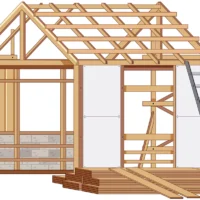
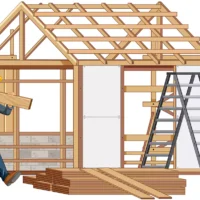
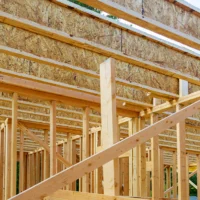
Assembling the planks is the core of building a wooden plank house. Each plank is carefully aligned and secured, often using interlocking techniques or nails. Precision during this phase ensures straight walls, proper insulation, and structural stability. Moreover, attention to detail prevents gaps and air leaks, which could compromise comfort and energy efficiency.
Roofing & Insulation Installation
Next, roofing and insulation are installed to protect the home from environmental factors. Wooden roofs or combined materials complement the plank walls aesthetically while providing weather resistance. Insulation within walls, floors, and ceilings enhances thermal performance, making the wooden plank house energy-efficient. Proper ventilation and moisture management are also essential to prevent long-term damage.
Finishing Touches (Windows, Doors, Staining)
The final phase includes installing windows, doors, and applying stains or protective finishes. These finishing touches not only enhance the home’s aesthetic appeal but also safeguard the planks from weathering, pests, and decay. A wooden plank house finished with high-quality stains or sealants maintains its beauty and structural integrity for decades, reducing maintenance requirements.
Cost of Wooden Plank Houses
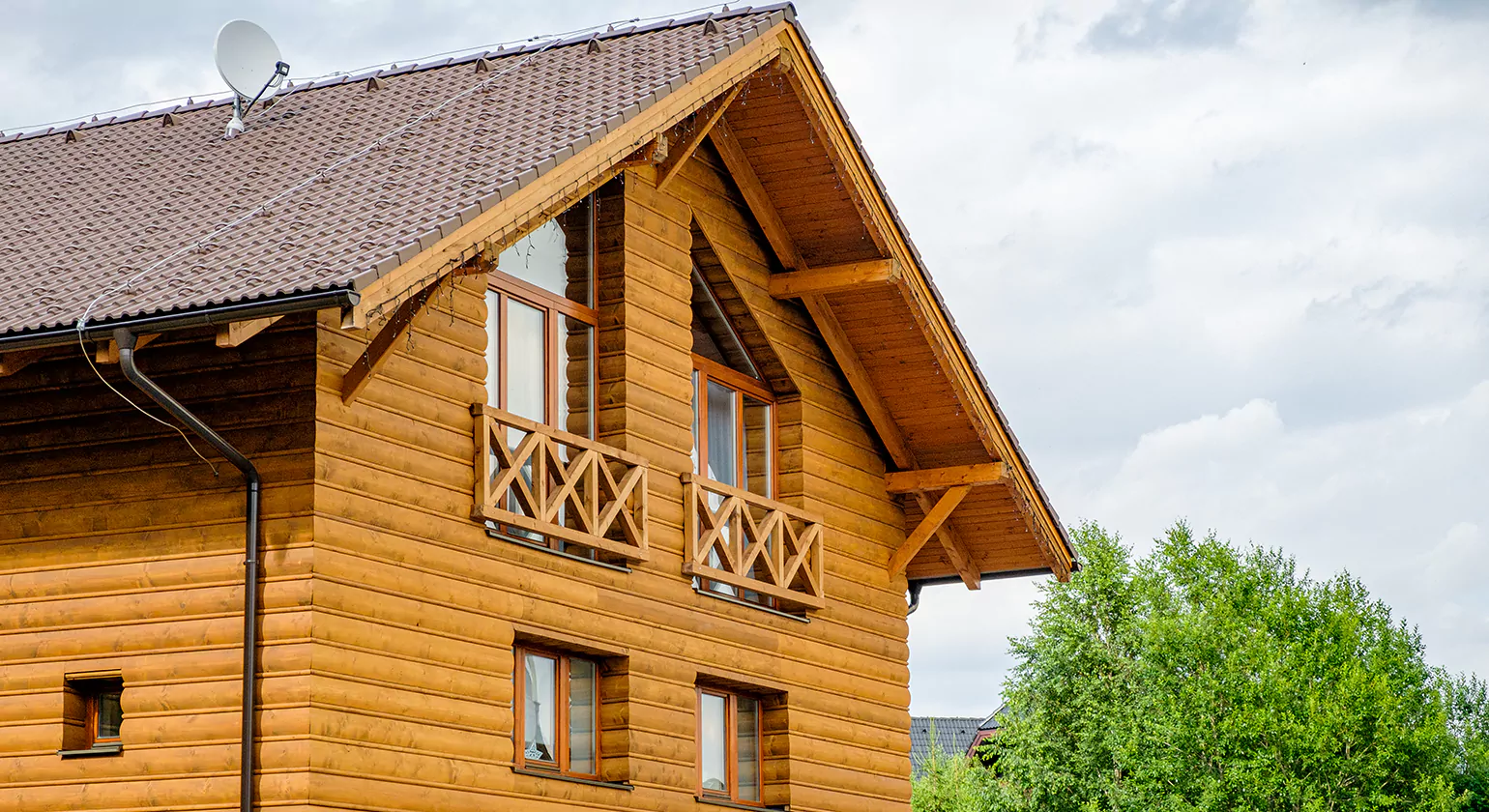
Price Ranges Per Square Foot
The cost of wooden plank houses varies depending on materials, design complexity, and location. On average, prices range from $120 to $250 per square foot. Premium woods like cedar or oak increase costs, while pine or spruce offer more budget-friendly options. Moreover, customization, such as adding decks or multiple stories, can impact the total investment. Therefore, understanding pricing per square foot helps homeowners plan accurately and avoid unexpected expenses.
Cost Comparison with Brick, Concrete, and Prefab Homes
When compared to brick or concrete homes, wooden plank houses often prove more economical. Bricks require intensive labor and longer construction timelines, while concrete homes involve costly foundations and heavy machinery. Conversely, plank-based construction is quicker and requires fewer specialized tools. Prefabricated options, including modular wooden plank houses, can further reduce costs while maintaining high quality. Consequently, many buyers consider wood plank homes a cost-efficient alternative.
Budget Tips and DIY vs Contractor Costs
Managing costs effectively is essential for any home construction project. For DIY enthusiasts, assembling a small wooden plank house can save labor expenses, though it requires careful planning and skill. Hiring professional contractors guarantees precision and speed but increases upfront costs. Additionally, buying in bulk, sourcing local materials, and choosing standard plank sizes help maintain budget efficiency without sacrificing quality. Therefore, homeowners must weigh cost, time, and skill level when deciding their approach.
Maintenance & Longevity Tips
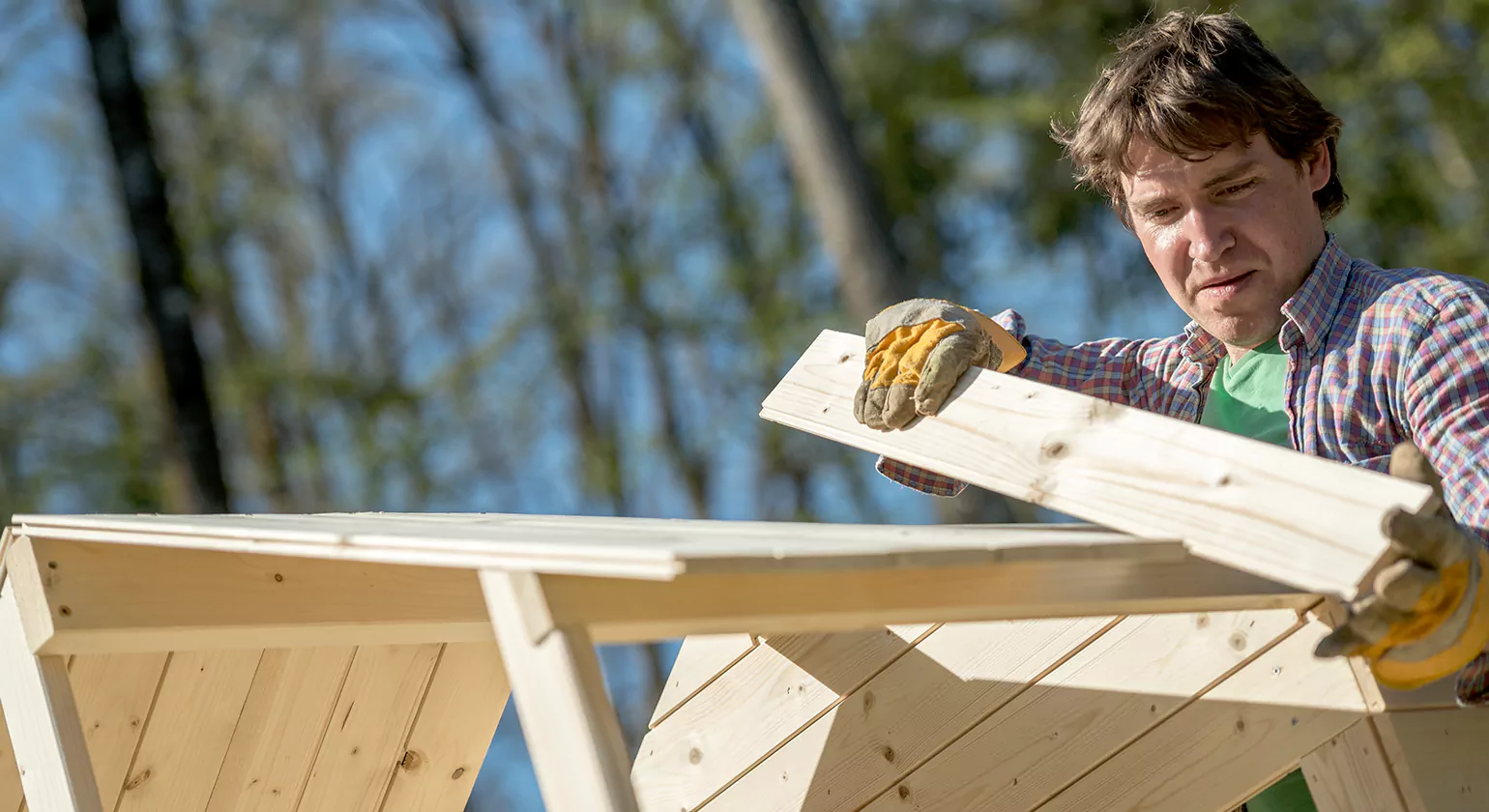
Staining, Sealing, and Weatherproofing
Maintaining a wooden plank house starts with proper staining and sealing. These protective measures prevent water infiltration, reduce the risk of warping, and preserve the natural beauty of the wood. Weatherproof finishes also shield homes from harsh sunlight, rain, and snow. Regular inspections allow homeowners to address minor issues early, ensuring long-lasting structural integrity and aesthetic appeal.
Pest Protection (Termites, Carpenter Ants)
Pests like termites and carpenter ants can damage any wood structure. Applying chemical treatments or natural repellents helps safeguard a wooden plank house. Additionally, keeping the surrounding area dry and well-ventilated reduces the likelihood of infestations. By combining preventive measures with routine checks, homeowners can protect both the longevity and value of their property.
Seasonal Maintenance Checklist
Seasonal maintenance ensures a wooden plank house remains in optimal condition year-round. In spring, inspect for winter damage and reapply sealants if necessary. Summer requires checking for heat-related cracks, while autumn focuses on gutter cleaning and debris removal. Winter maintenance includes snow removal from roofs and monitoring moisture levels. Following a structured seasonal plan prolongs the life of the home, reduces costly repairs, and maintains comfort and safety.
Sustainability & Eco-Friendly Advantages
Renewable Resource Benefits
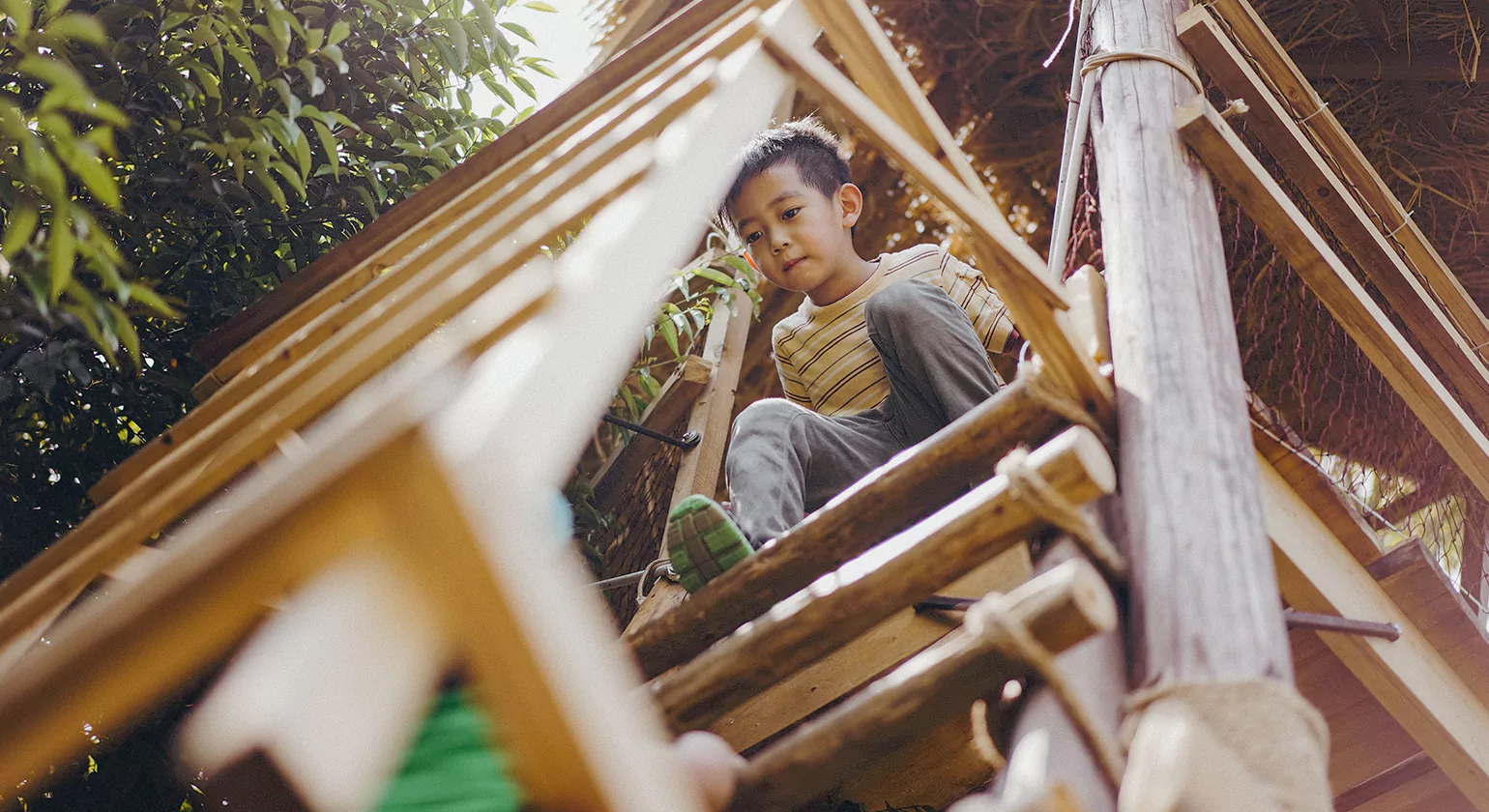
One of the most significant advantages of wooden plank houses is their sustainability. Wood is a renewable resource, meaning responsibly sourced timber can regenerate over time. Compared to concrete or steel, which rely heavily on non-renewable resources, a wood plank house minimizes environmental impact. Furthermore, using locally sourced timber reduces transportation emissions and supports eco-conscious construction practices, contributing to greener communities.
Energy Efficiency and Carbon Footprint Reduction
Wood naturally offers excellent insulation, which enhances the energy efficiency of wooden plank houses. Homes constructed with planks retain heat in winters and remain cool in summers, reducing dependence on artificial heating and cooling systems. As a result, energy consumption decreases, leading to a lower carbon footprint. Moreover, wood stores carbon dioxide, further helping to mitigate climate change. Consequently, homeowners not only enjoy comfort but also actively participate in sustainable living.
LEED and Green Building Certifications
Modern wooden plank houses can meet LEED and other green building standards. By incorporating energy-efficient insulation, sustainable wood treatments, and renewable energy systems, these homes qualify for environmental certifications. Such recognition not only enhances market value but also demonstrates a commitment to eco-friendly construction practices. Homeowners benefit from long-term energy savings and healthier living environments, making sustainability both practical and rewarding.
Best Places to Buy Wooden Plank House Kits
Top Online Suppliers & Prefab House Manufacturers
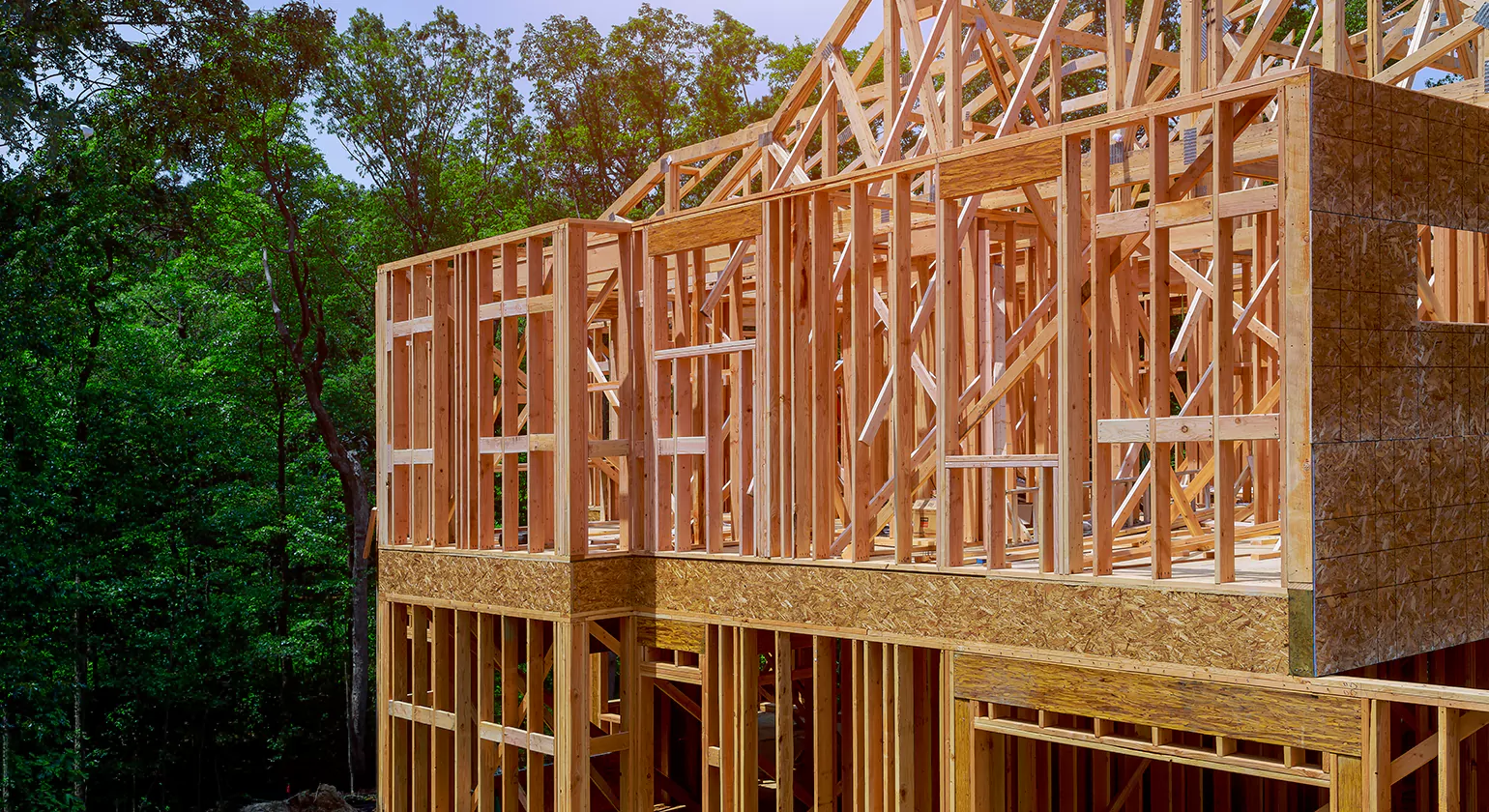
Purchasing pre-designed wooden plank houses is increasingly popular, as prefab kits streamline construction. Leading online suppliers and modular home manufacturers offer various designs, sizes, and finishes. Many of these kits come with step-by-step instructions, allowing for faster assembly and reduced labor costs. Selecting reputable suppliers ensures quality materials, reliable delivery, and professional customer support, making the buying process smooth and stress-free.
What to Check Before Buying (Quality, Warranty, Delivery Time)
Before investing in a wooden plank house kit, it is essential to verify material quality, warranty options, and delivery timelines. High-quality planks, preferably kiln-dried and treated for weather resistance, extend the lifespan of the home. A comprehensive warranty protects against manufacturing defects or shipment damage. Additionally, checking delivery schedules prevents construction delays, especially for custom or large-scale projects. By carefully evaluating these factors, homeowners can confidently purchase a kit that meets both aesthetic and functional requirements.
Tips for Selecting the Right Kit
When choosing a kit, consider your climate, desired style, and expansion plans. Some suppliers specialize in small backyard cabins, while others focus on multi-story family homes. Ensuring that the kit aligns with local building codes is also crucial. A well-selected wooden plank house kit simplifies construction, reduces errors, and enhances long-term satisfaction with your home.
Conclusion
Wooden plank houses offer a perfect blend of natural beauty, durability, and sustainability, making them an ideal choice for modern homeowners. They provide excellent insulation, energy efficiency, and a unique aesthetic that complements both rustic and contemporary designs. With options ranging from traditional log-style homes to prefabricated kits, these homes suit diverse lifestyles and budgets. Additionally, proper maintenance and eco-friendly practices ensure long-lasting performance and reduced environmental impact. Backyard extensions and outdoor living spaces further enhance comfort and functionality. By selecting quality materials and trusted suppliers, homeowners can enjoy a seamless construction experience. Overall, wooden plank houses represent a smart, stylish, and sustainable investment for the future.
Know more>>> Tips and Guide for Choosing the Perfect Wooden House Plans
FAQ's
1. Are wooden plank houses durable?
Yes, wooden plank houses are durable when built with quality timber and proper construction techniques. With regular maintenance like sealing and protection from moisture or pests, they can last for decades. Their natural strength, insulation properties, and resistance to wear make them a reliable housing option, especially when combined with modern treatments to enhance longevity.
2. How long do wooden plank houses last?
Wooden plank houses can last for several decades, often between 50 to 100 years or more, depending on timber quality, construction techniques, and ongoing maintenance. Regular sealing, protection from moisture, and pest treatments are essential. When properly cared for, these houses remain strong, reliable, and sustainable, offering long-term comfort and durability.
3. Are they energy-efficient compared to concrete?
Wooden plank houses are generally more energy-efficient than concrete structures because wood has natural insulating properties that reduce heat transfer. This helps maintain indoor temperatures, lowering energy usage for heating and cooling. With proper insulation and design, wooden houses provide excellent thermal comfort, making them a cost-effective and eco-friendly alternative to concrete buildings.
4. Can I build a wooden plank house myself?
It is possible to build a wood plank house yourself if you have carpentry skills, proper tools, and knowledge of construction practices. However, structural design, permits, and safety standards can be challenging to manage alone. Many people choose professional builders to ensure durability, compliance, and efficiency, while still participating in parts of the process.
5. Do I need special permits for wooden houses?
Yes, building a wooden house usually requires special permits depending on local building codes and zoning regulations. Authorities often review structural safety, fire resistance, and environmental compliance before approval. It is essential to check with your municipality and obtain the necessary permits to avoid legal issues and ensure the house meets required construction standards.