Table of Contents
What is a Timber Frame Porch?
Definition and Key Characteristics of Timber Frame Construction
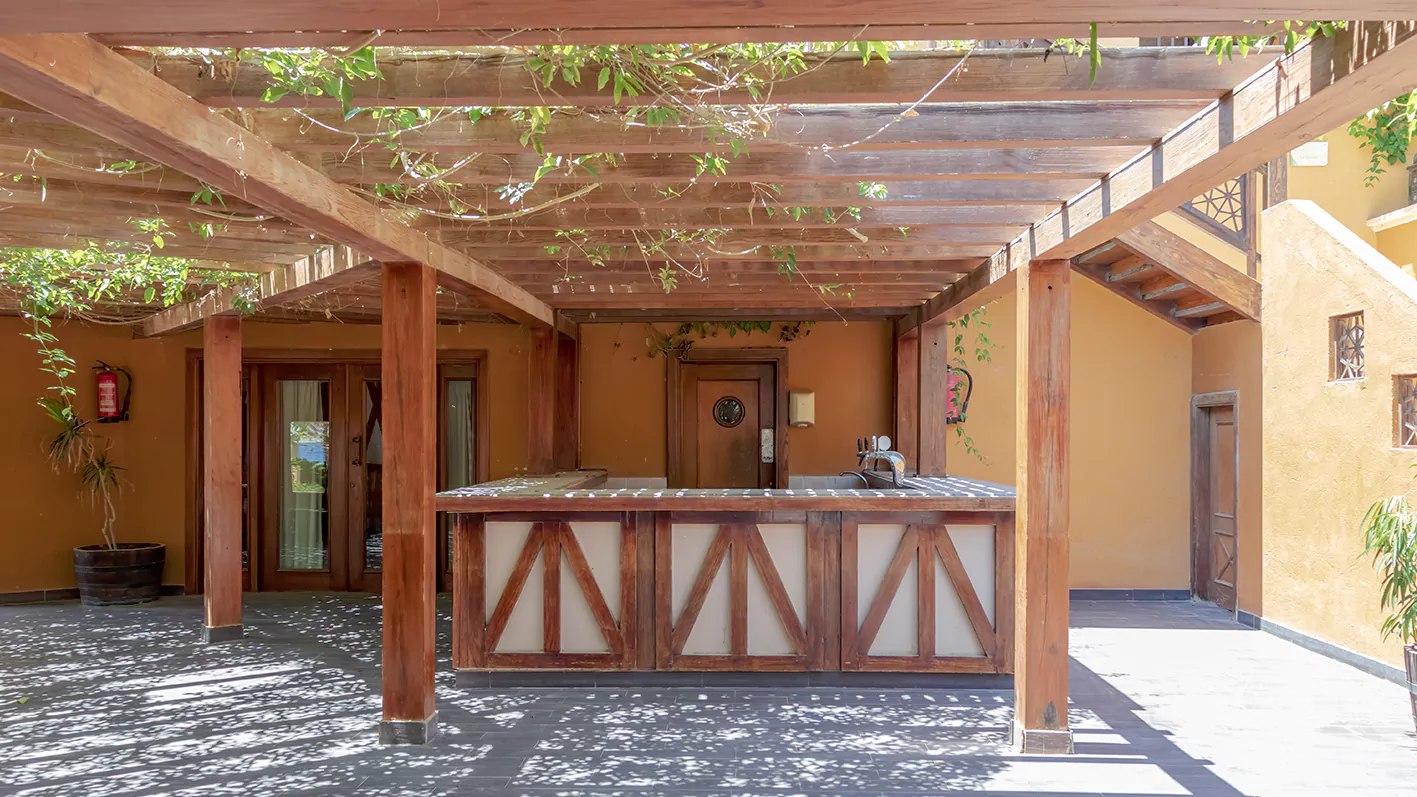
A timber frame porch is built using large, exposed wooden beams and posts joined by traditional methods such as mortise and tenon joints. Unlike standard stick-built structures, timber frame construction emphasizes craftsmanship, visible joinery, and sturdy, long-lasting materials like Douglas fir, oak, or cedar.
How Timber Frame Porches Differ from Traditional and Modern Styles
Traditional porches often rely on lighter framing hidden behind drywall or siding. In contrast, timber frame porches showcase the natural grain and architectural geometry of wood. Compared to modern metal or vinyl options, timber frames bring warmth and authenticity that harmonize with rustic, farmhouse, and even contemporary home designs.
Why Choose a Timber Frame Porch for Your Home?
Homeowners choose timber frame porches for their elegance, resilience, and eco-conscious appeal. Whether it’s creating a welcoming entryway, a serene back porch, or a wraparound design, timber framing offers unmatched visual impact and functional longevity.
The Benefits of Timber Frame Porches
Aesthetic Appeal: Enhancing Curb Appeal and Home Value
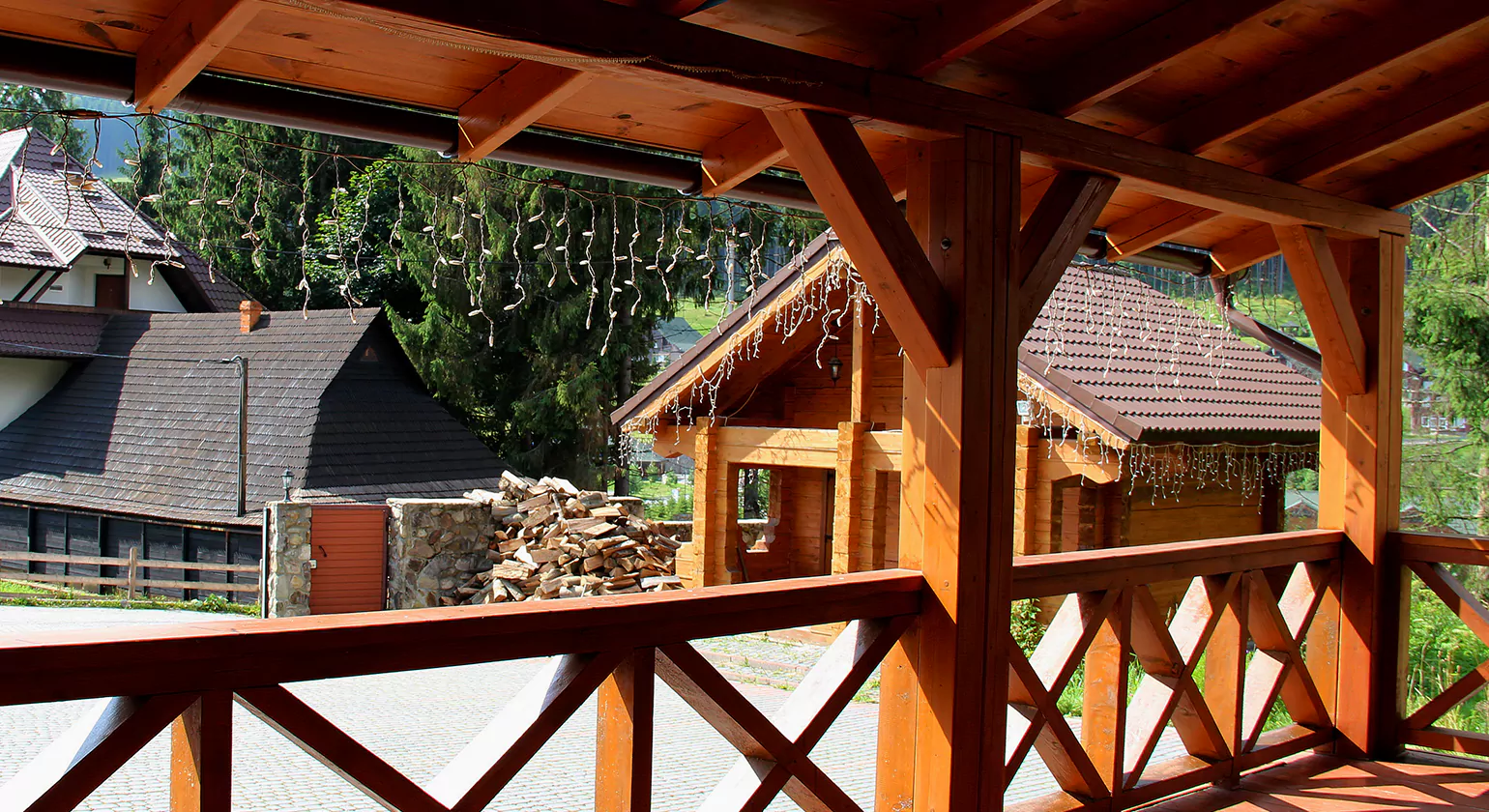
Timber frame porches instantly elevate a home’s curb appeal. Exposed beams, natural textures, and customizable design options create a striking exterior that can increase resale value. According to real estate experts, homes with timber accents often sell faster and at higher prices due to their unique charm.
Durability: How Timber Frame Porches Stand the Test of Time
Engineered for strength, timber frame structures are known to the last generations. Kiln-dried or air-dried hardwoods resist weathering, warping, and insect damage better than conventional materials. With proper maintenance, your timber porch can endure for decades, even in harsh climates.
Sustainability: Why Timber is an Eco-Friendly Choice
Timber is a renewable building material, especially when sourced from responsibly managed forests. Unlike steel or concrete, timber requires less energy to produce and stores carbon rather than emitting it. Using wood in your porch construction supports sustainable building practices and reduces your home’s overall carbon footprint.
Energy Efficiency: How Timber Frame Design Helps Save Energy
Thick timber beams offer natural insulation properties, helping to regulate temperature and reduce energy use. When paired with insulated roofing and proper sealing, timber frame porches can create an energy-efficient buffer that improves your home’s overall performance.
Designing Your Timber Frame Porch: Expert Tips
How to Design a Timber Frame Porch That Complements Your Home
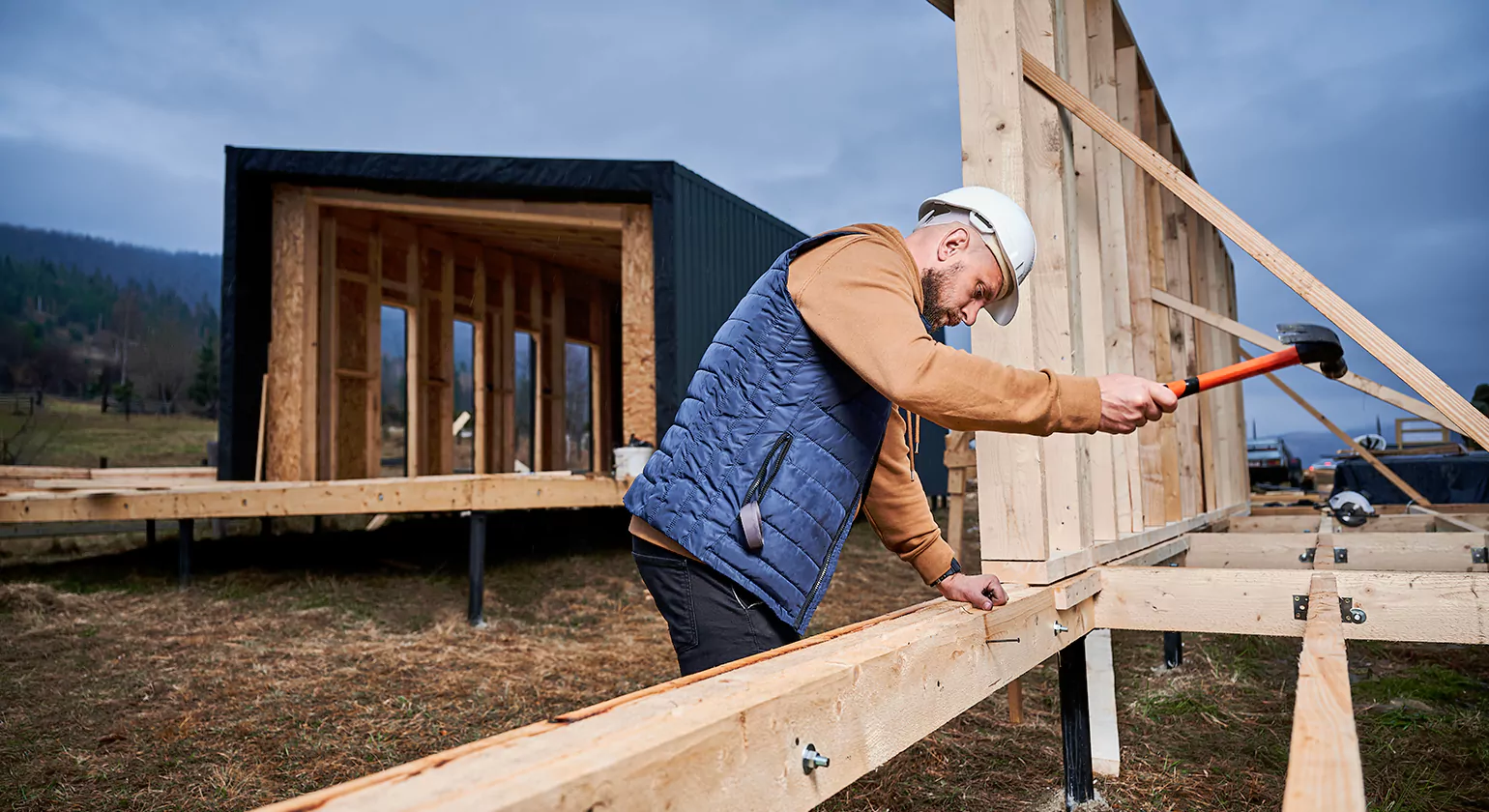
A well-designed timber frame porch should blend seamlessly with your home style and scale. Match timber stains to existing exterior features and choose beam sizes that align with your home’s architecture. Consider symmetry, proportions, and how the porch transitions from the inside to the outside.
Popular Timber Frame Porch Layouts: Open, Enclosed, and Screened
- Open Porches: Ideal for front entrances or social spaces, open porches create a welcoming atmosphere with minimal obstruction.
- Enclosed Porches: These are perfect for four-season use, offering shelter from weather and insects while maintaining the timber frame look.
- Screened Porches: A middle ground between open and enclosed, screened porches offer protection from bugs without compromising airflow.
Each layout type can be customized with post-and-beam detailing, decorative braces, and gabled or shed-style roofs to reflect your vision.
Integrating Architectural Features: Roof Styles, Beams, and More
The roof style plays a major role in your porch’s look and function. Gable roofs provide height and drama, while shed roofs offer a minimalist, modern appeal. Choose exposed trusses, knee braces, and tongue-and-groove ceilings to emphasize craftsmanship. Adding stone or brick bases can blend wood with other natural materials for a cohesive design.
Personalizing Your Porch Design: Custom Elements and Details
Timber frame porches are highly customizable. Add built-in benches, pergola-style extensions, decorative corbels, or integrated lighting to enhance functionality and style. Stains, finishes, and even curved beams can tailor your porch to your taste while ensuring it stands out in your neighborhood.
Timber Frame Porch Materials: Choosing the Right Wood
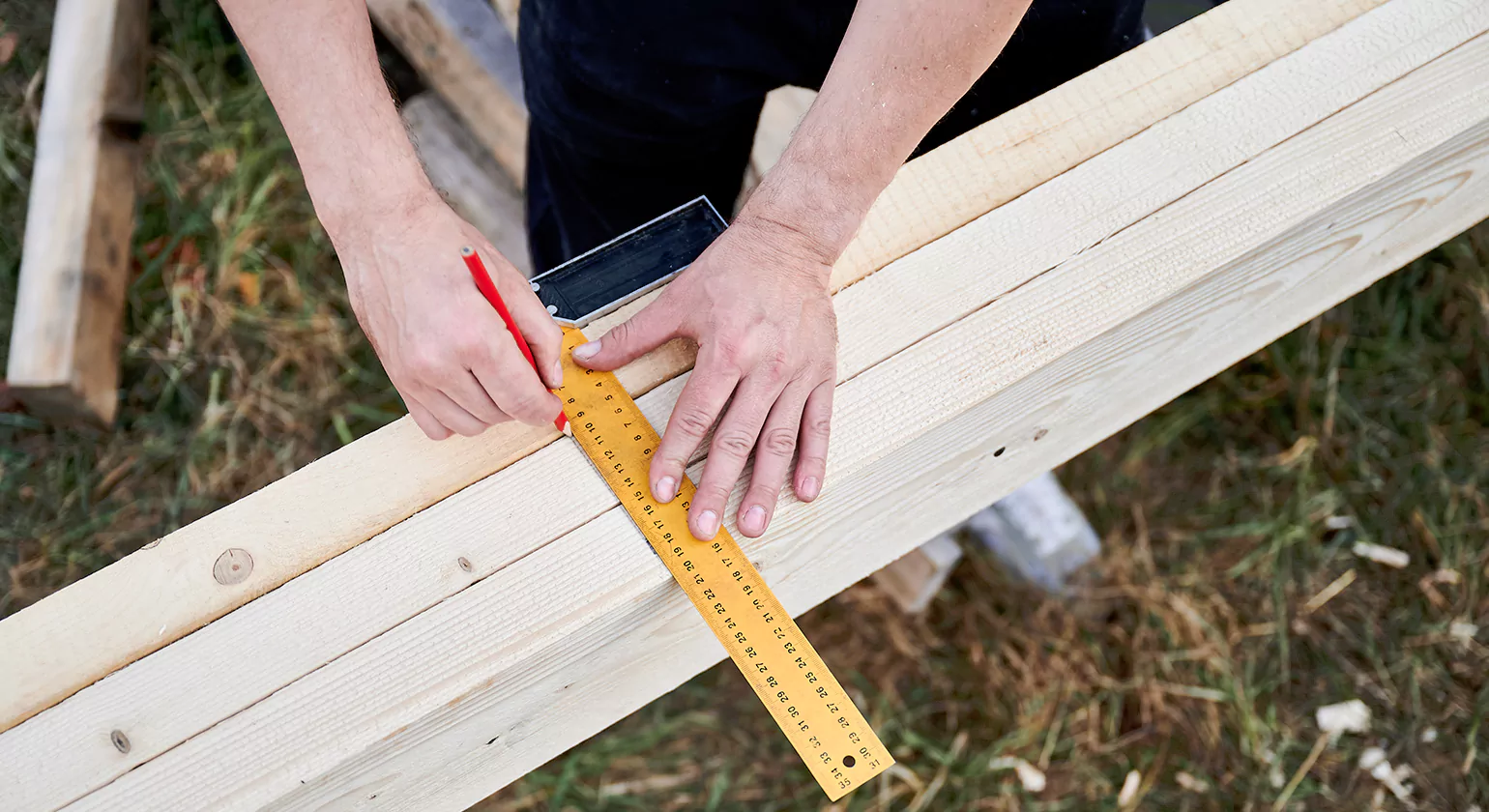
Creating a timber frame porch involves more than selecting a beautiful design—it requires choosing the right materials, aligning with your home’s architectural style, and following a step-by-step construction process. In this part of our guide, we’ll walk you through the best wood options, stylistic inspirations, and building essentials to help you bring your dream porch to life.
Best Types of Wood for Timber Frame Porches (Cedar, Pine, Oak, etc.)
The type of wood you select directly influences your porch’s durability, appearance, and cost. Some of the best timber options for porches include:
- Cedar: Naturally resistant to rot, decay, and insects. It has a warm, reddish tone and the weather is beautiful over time.
- Pine: A budget-friendly softwood that’s widely available. Pressure-treated pine is commonly used but needs sealing to extend its lifespan.
- White Oak: Extremely durable and dense. It’s resistant to moisture and offers a classic grain that enhances traditional designs.
- Douglas Fir: A popular timber frame option due to its strength-to-weight ratio and clean appearance. Works well for both rustic and modern styles.
- Hemlock: Offers a smooth texture and pale tone, often used for more contemporary or light-toned porches.
Each wood type varies in color, grain pattern, cost, and performance in different climates, so it’s crucial to weigh these factors before choosing.
How to Select Wood Based on Durability, Aesthetics, and Climate
When selecting timber, consider your local climate and how much exposure the wood will have to sun, rain, or humidity. For example:
- In humid or coastal climates, opt for rot-resistant woods like cedar or white oak.
- In dry, arid regions, Douglas fir or pine may perform well with the right finish.
- For year-round porches, focus on harder, denser woods with good weather resilience.
Aesthetically, lighter woods like pine can be stained to mimic richer tones, while species like red cedar provide natural depth and warmth. If sustainability is important, check for FSC-certified or reclaimed wood sources.
Tips for Treating and Maintaining Timber to Prevent Decay
To maximize the life of your timber frame porch:
- Seal and stain the wood every 2–5 years depending on weather exposure.
- Use UV-blocking finishes to prevent fading and greying.
- Regularly inspect for signs of moisture, termites, or surface cracks.
- Ensure your porch has proper drainage and ventilation to prevent wood rot.
- Avoid ground contact by using stone or concrete bases for timber posts.
With the right care, your timber frame porch can last for decades while maintaining its visual appeal.
Pros and Cons of Different Wood Finishes
Finish Type | Pros | Cons |
Clear Sealant | Highlights natural grain, simple application | Requires frequent reapplication |
Semi-Transparent | Offers UV protection with visible grain | May darken over time |
Solid Stain | Uniform color, strong protection | Hides wood grain, harder to remove |
Oil-Based Finish | Deep penetration, enhances natural tone | Can attract dust, slower drying |
Water-Based Finish | Eco-friendly, fast drying | May raise grain, less durable than oil |
Choose a finish based on your desired look and level of maintenance commitment.
Timber Frame Porch Styles: From Traditional to Modern
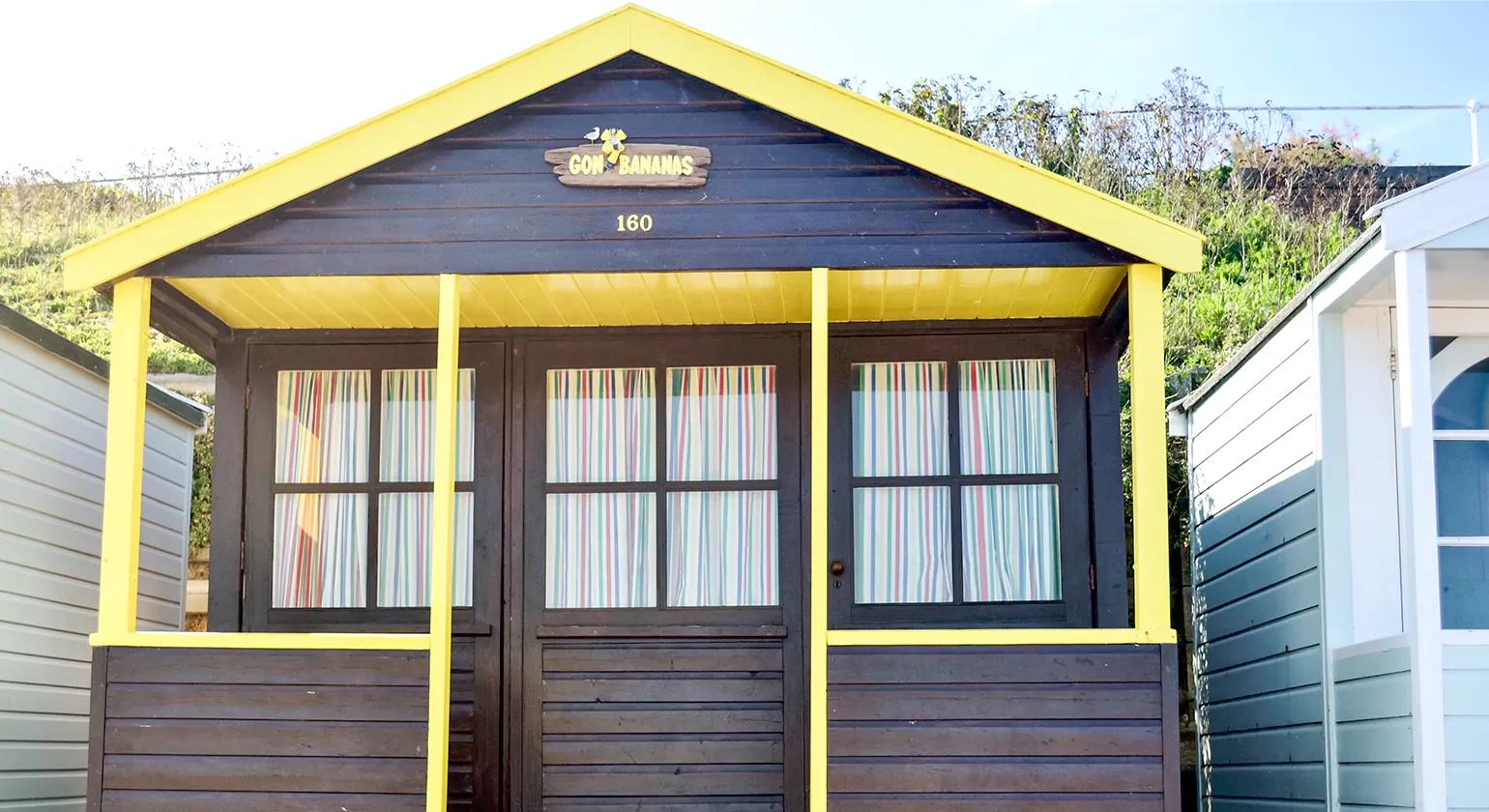
Classic Timber Frame Porch Designs: Features and Elements
Traditional timber frame porches often include:
- Exposed trusses
- Gable or shed-style roofs
- Decorative corbels and braces
- Natural or stained wood finishes
They’re ideal for Craftsman, Colonial, or log cabin-style homes, adding a timeless look and cozy ambiance.
Modern Timber Frame Porches: Streamlined and Minimalistic
Modern porch styles use:
- Clean lines and minimalist joinery
- Flat or angled roof designs
- Light-toned or painted wood
- Mixed materials like glass or steel
This approach suits contemporary homes, urban settings, or minimalist exteriors.
Rustic and Farmhouse-Inspired Porch Ideas
Rustic porches emphasize:
- Rough-sawn beams or reclaimed wood
- Stone bases or natural flooring
- Lantern-style lighting
- Earth-toned finishes
Farmhouse porches may include white-washed timber, shiplap ceilings, and black iron accents. Both styles bring warmth and character to country homes and cottages.
Hybrid Designs: Combining Timber Frame with Other Materials
Hybrid porches blend timber frames with materials like:
- Steel supports for industrial contrast
- Glass panels for modern transparency
- Brick or stone piers for added texture
This fusion allows for creative design while preserving the structural integrity and warmth of wood.
Step-by-Step Guide to Building a Timber Frame Porch
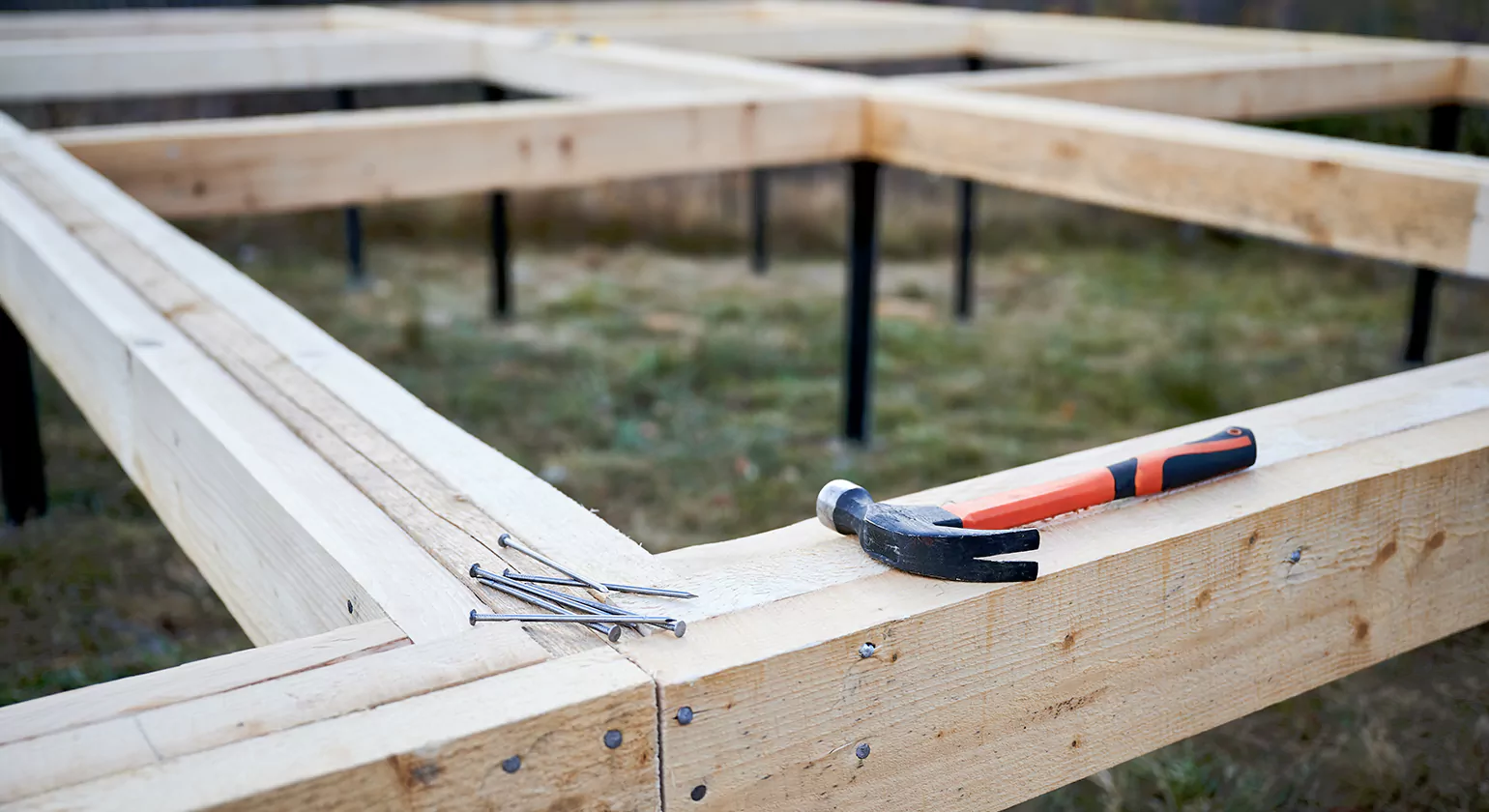
Planning Your Timber Frame Porch: Permits, Budgeting, and Design
Start with a clear plan:
- Check local zoning laws and obtain building permits.
- Set a realistic budget, factoring in material costs, labor, and finishing.
- Choose your preferred design, size, and orientation.
- Create a detailed blueprint or hire a professional designer or architect.
Budget tip: Allocate 10–15% for unexpected costs such as structural reinforcements or weather delays.
Hiring the Right Builder or DIY: What You Need to Know
Hiring a licensed timber frame contractor ensures safety and efficiency. Look for:
- Experience with timber joinery techniques
- Portfolio of past porch projects
- Positive reviews and proper insurance
For DIYers, consider a pre-cut timber frame kit that includes plans, materials, and instructions. However, DIY is recommended only if you have experience with framing, power tools, and basic carpentry.
Timber Frame Porch Construction: Techniques and Processes
The construction process typically involves:
- Foundation work – setting concrete or stone piers
- Raising posts and beams – using joinery or metal fasteners
- Installing the roof frame – gables, rafters, or trusses
- Adding flooring and ceiling finishes
- Staining, sealing, and final detailing
Proper alignment, bracing, and moisture barriers are essential throughout the process to ensure structural longevity.
Timeframe for Building a Timber Frame Porch: What to Expect
On average, the timeline ranges from:
- 1–2 weeks for small porches with basic designs
- 3–6 weeks for custom or larger porches with intricate detailing
Factors influencing duration include weather, material availability, and labor. Prefabricated kits may speed up the process by reducing cutting and measuring time on site.
Timber Frame Porch Materials: Choosing the Right Wood
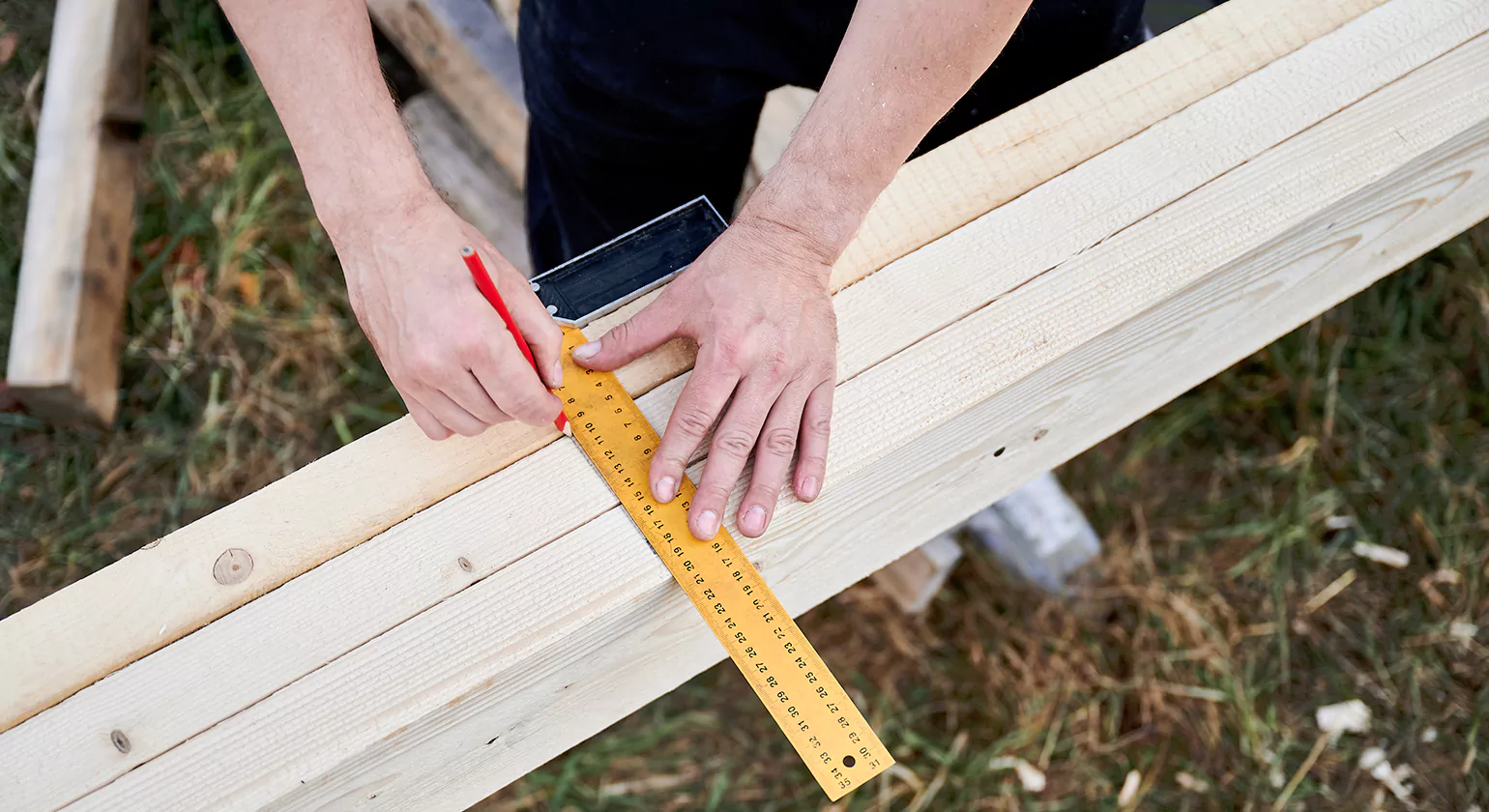
Adding a timber frame porch is a beautiful way to elevate your home’s exterior while embracing natural aesthetics, durability, and sustainable design. Whether you’re designing a rustic wraparound porch or a sleek modern entryway, understanding the right wood materials, architectural styles, and construction process is key. Here’s a complete guide to help you plan, build, and enjoy your dream timber frame porch.
Best Types of Wood for Timber Frame Porches (Cedar, Pine, Oak, etc.)
Choosing the right type of wood sets the foundation for both beauty and longevity. Here are the most popular timber choices for porches:
- Cedar: Naturally resistant to decay and insects. It offers a rich color, pleasant aroma, and lightweight properties—perfect for exposed beamwork.
- Pine: A cost-effective softwood. Pressure-treated pine is widely used, but it requires sealing to prevent moisture damage.
- White Oak: Extremely durable and moisture-resistant. It has a tight grain and dense structure, making it ideal for heavy-load-bearing timber frames.
- Douglas Fir: Known for its strength and straight grain. Douglas fir is a preferred choice in traditional and modern designs alike.
- Hemlock: A pale-toned softwood that pairs well with lighter aesthetics and modern porch styles.
Choosing quality, kiln-dried wood ensures better stability and resistance to shrinkage, especially in changing weather conditions.
How to Select Wood Based on Durability, Aesthetics, and Climate
When selecting wood for your timber frame porch, consider the following:
- Durability: Opt for hardwoods or treated softwoods in rainy or humid regions.
- Aesthetic Preferences: Match wood grain, tone, and texture to your home’s exterior—darker grains suit rustic homes; lighter tones suit modern ones.
- Climate Compatibility: For wet or coastal climates, cedar or oak resists rot best. In dry climates, fir or pine can perform well with proper sealing.
Additionally, sourcing FSC-certified wood ensures eco-responsibility and supports sustainable forestry.
Tips for Treating and Maintaining Timber to Prevent Decay
Timber is naturally strong but requires ongoing maintenance to stay beautiful and functional. Follow these tips:
- Apply UV-protective stains or sealants every 2–4 years.
- Ensure proper drainage and ventilation around your porch to avoid pooling water.
- Inspect regularly for mold, termites, and cracks.
- Avoid direct contact with wood with soil or concrete—use stone or metal brackets.
Maintenance ensures your timber frame porch lasts for decades while aging gracefully.
Pros and Cons of Different Wood Finishes
Each wood finish brings a different look and level of protection:
Finish Type | Pros | Cons |
Clear Sealant | Preserves natural grain, easy application | Needs frequent reapplication |
Semi-Transparent Stain | Balances color and wood visibility | Limited color range |
Solid Stain | Strong UV protection, wide color options | Hides natural grain |
Oil-Based Finish | Deep penetration, rich tone | Longer drying time, may darken over time |
Water-Based Finish | Fast drying, low odor | Less durable in extreme weather |
Select your finish based on design preferences, sun exposure, and how much wood grain you want to display.
Timber Frame Porch Styles: From Traditional to Modern
Classic Timber Frame Porch Designs: Features and Elements
Traditional timber frame porches reflect timeless design and craftsmanship. Hallmark features include:
- Gable or hip roofs with overhangs
- Decorative rafter tails and knee braces
- Exposed joinery and trusses
- Warm wood tones and stone columns
These designs work beautifully for Craftsman, Colonial, and mountain homes, offering both charm and structural presence.
Modern Timber Frame Porches: Streamlined and Minimalistic
Modern porches take a minimalist approach to timber framing:
- Sleek lines with minimal hardware
- Flat or mono-pitch roofs
- Mixed materials like glass, steel, and composite
- Light stains or painted finishes
These porches align well with contemporary or urban homes, adding outdoor functionality without visual clutter.
Rustic and Farmhouse-Inspired Porch Ideas
Rustic and farmhouse porches emphasize texture, charm, and nature-inspired finishes:
- Reclaimed wood beams and rough-sawn posts
- Shiplap ceilings and lantern-style lighting
- Natural stone bases and metal accents
- White or earth-toned finishes for a cozy feel
Perfect for country homes, cabins, and lakefront properties, these porches add comfort and character.
Hybrid Designs: Combining Timber Frame with Other Materials
Mixing materials enhances design flexibility and function:
- Steel brackets for a modern industrial touch
- Glass panels to preserve views and light
- Stone or brick piers for rustic contrast
- Composite decking for low-maintenance flooring
Hybrid porches allow you to personalize your space while maintaining the warmth of timber framing.
Cost of a Timber Frame Porch: What to Expect
A timber frame porch adds timeless beauty and functionality to your home, but before you start building, it’s essential to understand the cost, upkeep, and creative ways to personalize your space. In this guide, we’ll break down what you can expect to spend, how to maintain your porch, and inspiring design ideas to help you make the most of your timber-framed outdoor space.
Average Costs for Building a Timber Frame Porch
The cost of building a timber frame porch varies based on materials, size, design, and labor. On average:
- Basic timber frame porches cost between $8,000 and $15,000.
- Mid-range designs with custom features typically range from $15,000 to $30,000.
- High-end timber frame porches with premium materials and add-ons can exceed $40,000 or more.
These estimates include foundation, framing, roofing, and finishing but may vary by location and contractor rates.
Factors Affecting Timber Frame Porch Pricing (Size, Material, Design)
Several key elements influence your porch’s overall cost:
- Size: Larger porches require more materials and labor. A 12×16’ porch costs significantly less than a 20×30’ wraparound.
- Material Choice: Wood type (cedar, oak, fir), finish, and roofing materials impact price. Hardwood timbers cost more but offer superior longevity.
- Design Complexity: Intricate trusses, custom joinery, stone bases, or vaulted ceilings to raise construction costs.
- Labor Costs: Hiring an experienced timber frame builder may cost more but ensures craftsmanship and structural integrity.
- Add-ons: Features like lighting, fans, fireplaces, and built-in seating increase the budget.
Cost Breakdown: Labor, Materials, and Additional Features
Here’s a typical breakdown for a $20,000 timber frame porch project:
- Materials (Timber, roofing, hardware): $9,000–$12,000
- Labor (Framing, roofing, finishing): $6,000–$8,000
- Additional features (lighting, stone piers, railings): $2,000–$4,000
- Permits & site prep: $500–$1,000
Understanding these components can help you plan your budget more effectively and avoid surprises during construction.
Tips for Reducing Costs Without Compromising Quality
If you’re working within a budget, use these strategies:
- Choose softwood timber like pine or Douglas fir over hardwoods.
- Use standard porch dimensions to reduce cutting and customization.
- Opt for simple rooflines like a shed or gable roof.
- Consider prefabricated timber kits to save labor.
- Stain and seal the porch yourself if you’re comfortable with DIY tasks.
These decisions help reduce your timber frame porch cost without sacrificing durability or aesthetic value.
Timber Frame Porch Maintenance: Keeping It Beautiful and Durable
Seasonal Maintenance Tips for Timber Frame Porches
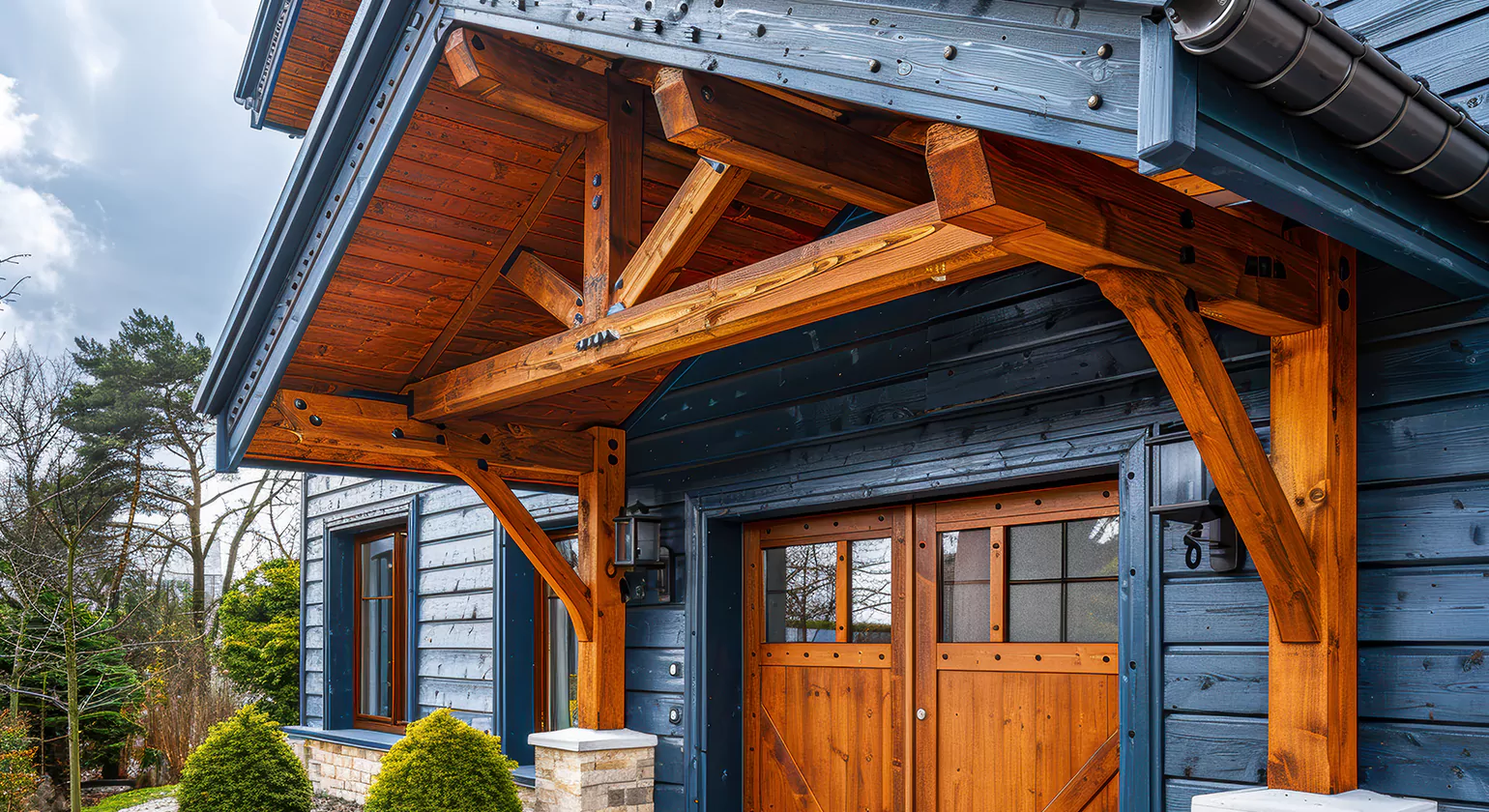
Timber frame porches need periodic maintenance to stay in top shape year-round:
- Spring: Inspect for moisture damage, repaint or seal as needed; check for pests.
- Summer: Power wash decking, reapply UV-protective finishes, clean gutters.
- Fall: Clear leaves and debris, inspect flashing and roof for leaks.
- Winter: Remove snow buildup from beams and roof, check wood for cracking.
Seasonal upkeep prevents rot, discoloration, and structural wear.
How to Protect Your Timber Porch from Weather and Pests
Moisture, UV exposure, and pests are the primary threats to wood:
- Apply high-quality wood sealant or stain with UV protection every 2–4 years.
- Install gutters or roof overhangs to divert water away from posts and beams.
- Use borate-based wood preservatives to deter termites and carpenter ants.
- Ensure proper airflow under deck and around posts to avoid trapped moisture.
A proactive approach to protection keeps your timber porch looking great for decades.
Restoring and Refinishing Your Timber Frame Porch
Over time, timber may fade, grey, or develop surface imperfections. Here’s how to restore it:
- Clean the surface using a deck cleaner or gentle power washing.
- Sand lightly to remove rough patches or old finish.
- Apply fresh stain or sealer, using a brush or sprayer for even coverage.
- Let it cure fully before placing furniture or décor.
This process can revive aged wood and extend its lifespan with a fresh, polished look.
Maintaining the Structural Integrity of Your Porch
Inspecting and preserving your porch’s structure is critical for safety and longevity:
- Check joints, beams, and braces for movement or separation.
- Look for signs of rot at base connections or areas exposed to water.
- Ensure fasteners and bolts remain tight and rust-free.
- If you notice sagging or cracking, consult a timber frame specialist.
Routine checks ensure your porch remains structurally sound and safe for years to come.
Timber Frame Porch Ideas for Every Home
Customizing Your Porch: Unique Features to Consider
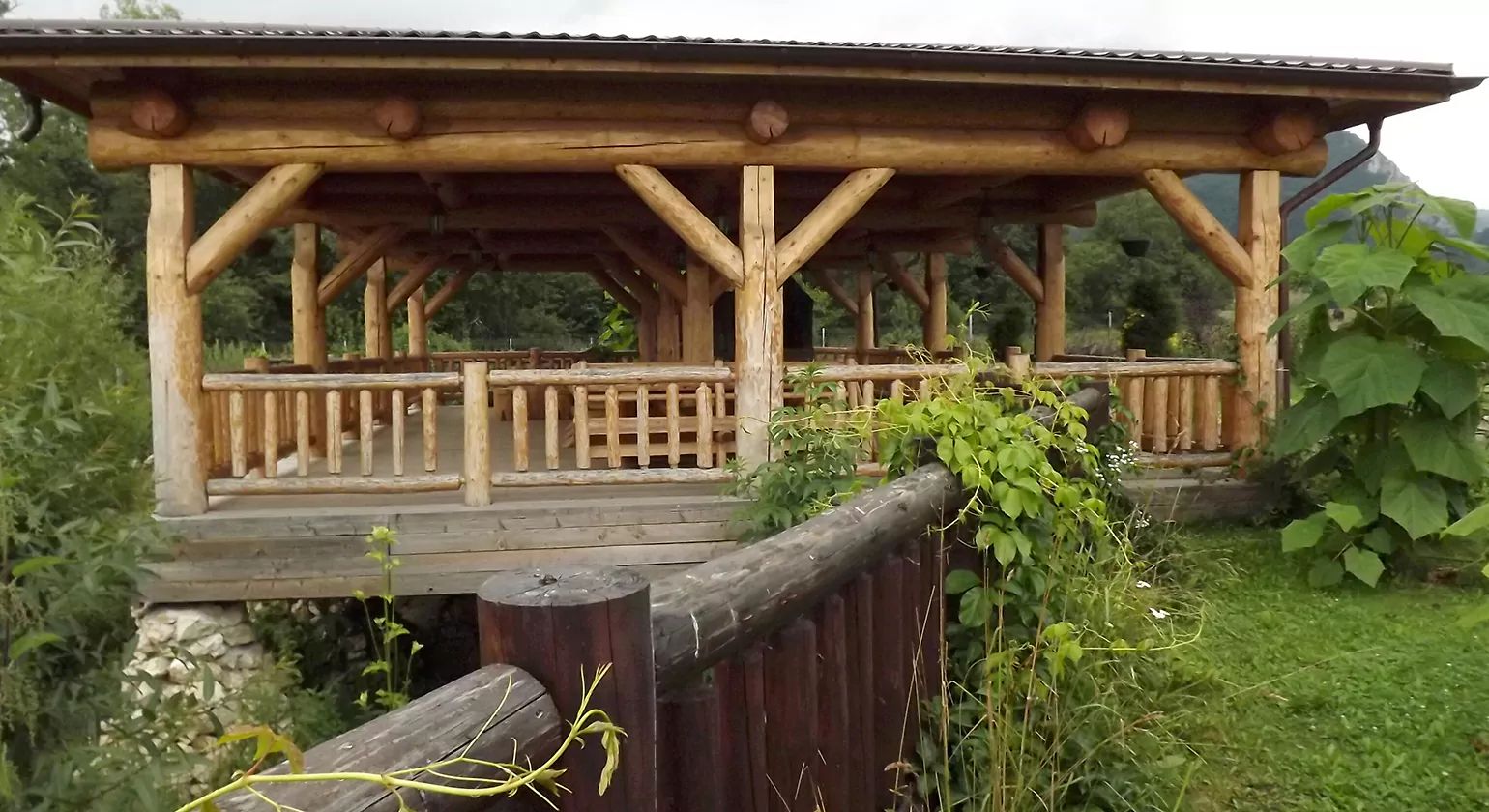
Personal touches can make your timber frame porch more inviting and functional:
- Exposed timber trusses for rustic elegance
- Tongue-and-groove ceilings with recessed lighting
- Stone column bases or mixed-material railing systems
- Ceiling fans, heaters, or roll-down shades for year-round use
Customization helps your porch complement your home and reflect your style.
Adding Functional Spaces: Outdoor Kitchens, Fireplaces, and Lounges
Transform your porch into a multipurpose living area:
- Outdoor kitchens with built-in grills and prep stations
- Wood-burning or gas fireplaces for cozy gatherings
- Lounge areas with comfortable seating and entertainment zones
These additions extend your living space outdoors and increase home value.
Landscaping Around Your Timber Frame Porch: Creating a Cohesive Look
The surrounding environment plays a big role in how your porch feels:
- Use stone paths, garden beds, or planters to transition from porch to yard.
- Install low-maintenance greenery like shrubs or native grasses.
- Add raised flower boxes or vertical gardens along railing lines.
Landscaping makes your porch feel integrated with your home’s exterior.
Lighting, Decor, and Furnishings to Enhance Your Porch
Create ambiance and usability with:
- String lights, sconces, or recessed lighting for evening use
- Rustic or modern outdoor furniture to match your theme
- Throw pillows, outdoor rugs, and lanterns for comfort and charm
- All-weather storage for cushions and accessories
Thoughtful décor brings your timber frame porch to life as a welcoming, usable space.
Timber Frame Porch FAQs: Common Questions Answered
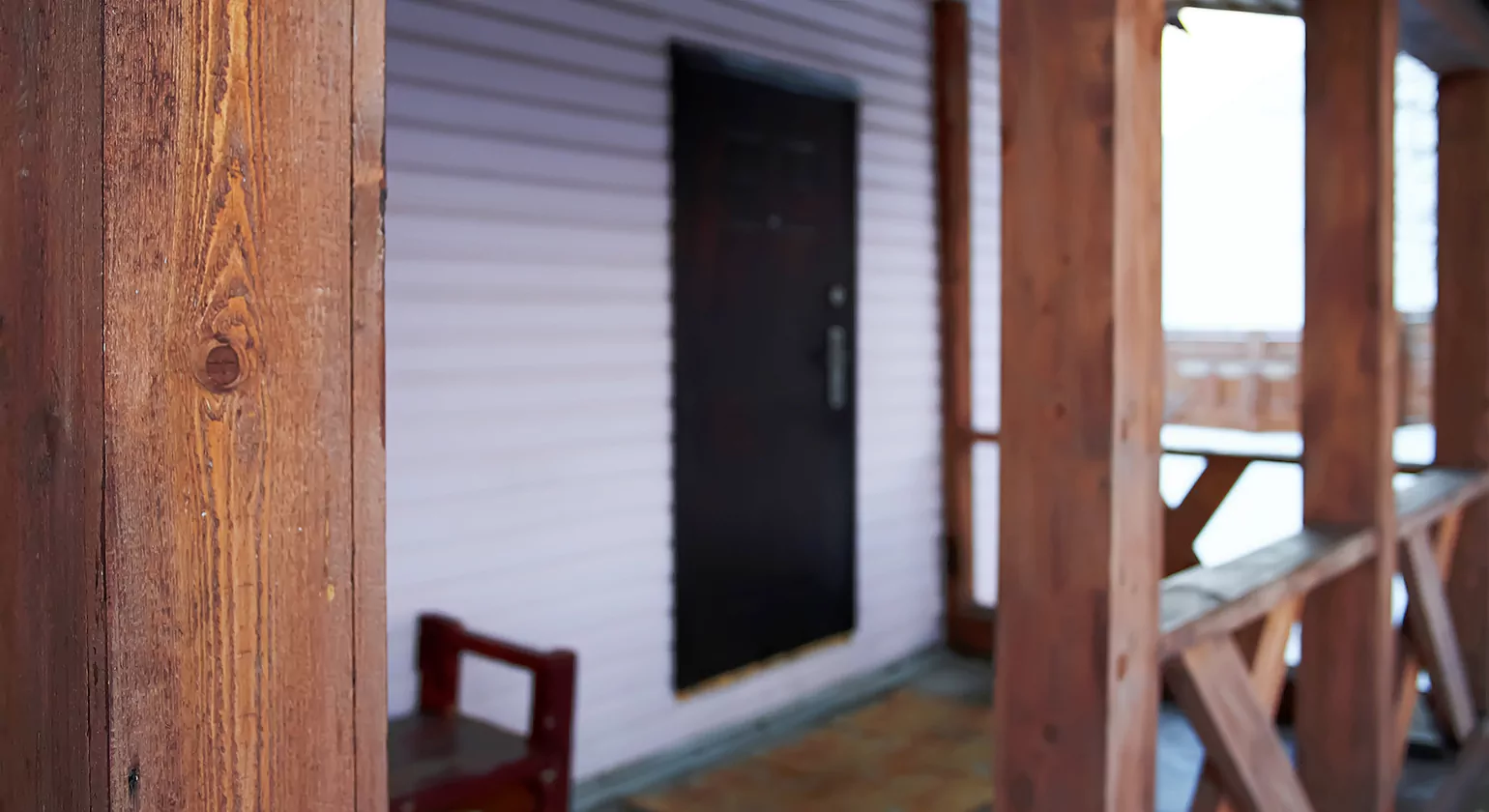
A timber frame porch is a timeless and durable home addition that blends aesthetics, functionality, and eco-conscious design. Whether you’re planning your first build or considering upgrades, it’s natural to have questions about materials, maintenance, longevity, and home value. In this guide, we answer the most common FAQs and provide expert advice on integrating your porch into your home’s overall design.
What Is the Best Wood for a Timber Frame Porch?
The best wood for your timber frame porch depends on your budget, climate, and style preferences. Top choices include:
- Cedar: Naturally rot- and insect-resistant with a warm tone, ideal for humid climates.
- Douglas Fir: Strong and straight-grained, great for structural integrity and design flexibility.
- White Oak: Extremely durable and moisture-resistant, perfect for long-lasting outdoor applications.
- Pine: Affordable and widely available, especially when pressure-treated for exterior use.
Each wood type offers different aesthetic appeal and maintenance needs, so choosing the right one depends on your priorities for cost, durability, and visual finish.
How Long Does a Timber Frame Porch Last?
A well-constructed timber frame porch can last 40 to 100+ years, depending on:
- The quality of materials
- Proper sealing and finishing
- Regular maintenance
- Environmental exposure (sun, rain, snow, humidity)
With routine care—such as re-staining every few years and addressing any structural wear—your timber porch will remain safe and visually stunning for generations.
How Do You Maintain a Timber Frame Porch in Different Climates?
Timber frame porch maintenance should be adapted to your regional climate:
- Humid/Coastal Climates: Use rot-resistant wood (e.g., cedar, white oak). Apply waterproof sealants and ensure proper airflow to reduce moisture buildup.
- Dry/Arid Climates: Prevent cracking and fading by using UV-protective stains. Avoid over-drying timber with excessive sun exposure.
- Cold/Snowy Climates: Clear snow builds up promptly. Use water-resistant finishes and inspect joints and fasteners after winter.
Regular seasonal inspections and refinishing are key to maintaining longevity in any region.
How Much Does a Timber Frame Porch Add to Home Value?
A timber frame porch can significantly increase your home’s resale value and curb appeal. On average, you can expect:
- Return on investment (ROI): Between 60–80%, depending on size, materials, and region.
- Higher buyer interest: Homes with beautiful outdoor living spaces sell faster and often at higher prices.
Beyond monetary value, timber porches enhance everyday living, offering a space to relax, entertain, or enjoy nature.
Incorporating a Timber Frame Porch into Your Home's Design
How to Harmonize Your Timber Frame Porch with Other Outdoor Features
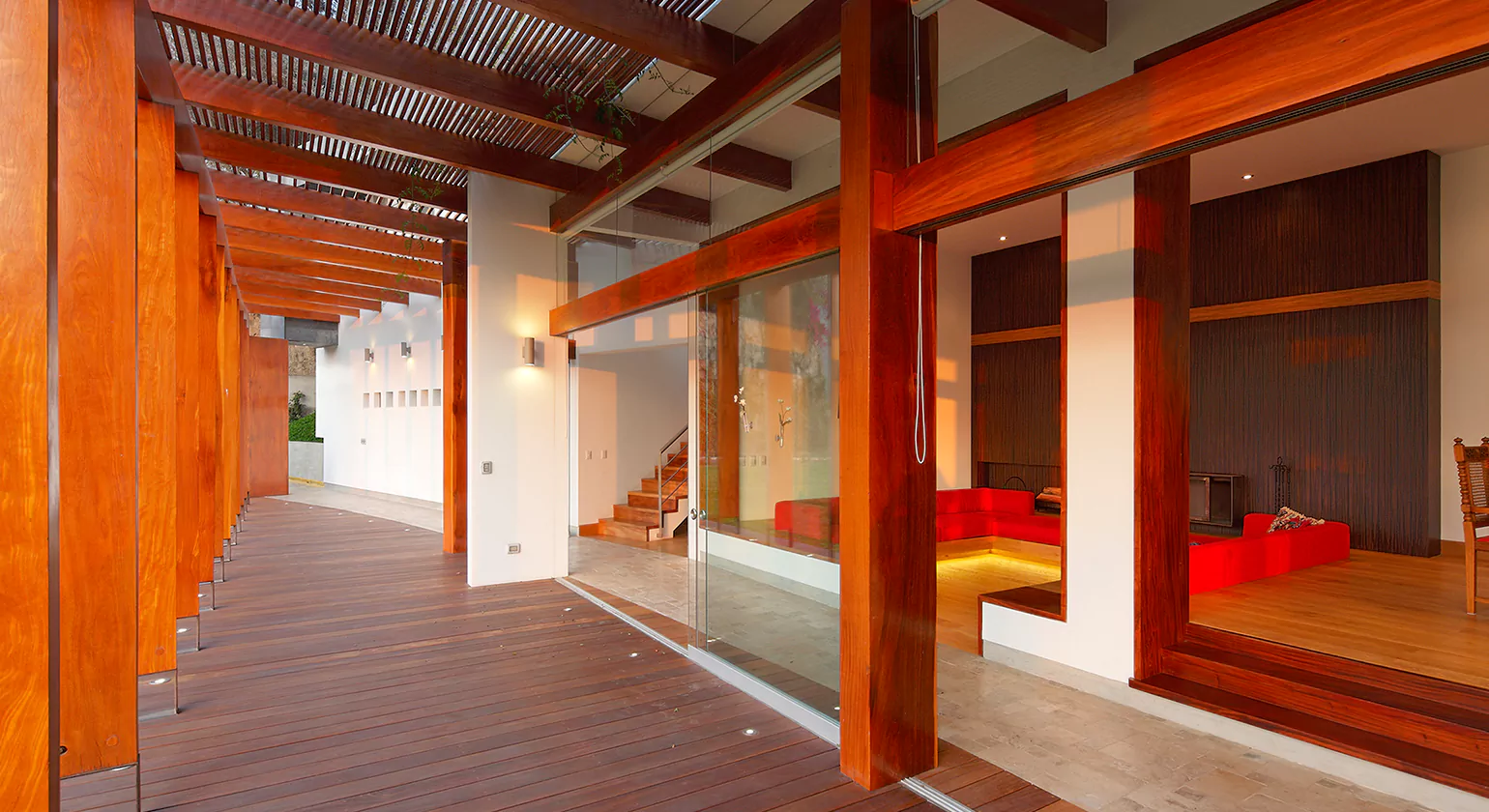
To create a cohesive outdoor aesthetic:
- Match wood tones with existing exterior elements like shutters, trim, or decks.
- Use similar roofing materials and pitch angles to unify the porch with the main structure.
- Connect the porch with walkways, patios, or landscaped beds to create visual flow.
- Repeat timber elements in pergolas, fencing, or outdoor furniture.
Consistency in materials and color palette helps your timber frame porch feel like a natural extension of your home rather than an add-on.
The Role of a Timber Porch in Curb Appeal and Outdoor Living Spaces
Timber frame porches elevate curb appeal with bold beams, clean lines, and a handcrafted look. Whether it’s a front entryway or wraparound porch, the visual impact is immediate and lasting.
Functionally, a timber porch adds:
- Expanded living space for dining, relaxing, or entertaining
- Shelter from sun or rain
- Architectural character that enhances the home’s personality
A thoughtfully designed porch can turn an average façade into a welcoming, magazine-worthy entrance.
Integrating Energy-Efficient Features with Timber Frame Design
Timber frame porches can contribute to energy efficiency when designed with intention:
- Use deep overhangs to block harsh sunlight in the summer while allowing natural light to cool down in cooler seasons.
- Install insulated roofing panels to reduce heat transfer and improve indoor comfort.
- Incorporate LED porch lighting, ceiling fans, and solar-powered fixtures for low energy consumption.
- Add shade screens or roll-down covers to control heat gain and improve comfort
When paired with energy-conscious decisions, your timber porch can become part of a broader sustainable home design strategy.
Conclusion: A Smart Investment for Lasting Beauty and Functionality
A timber frame porch is a smart, long-term investment that combines natural beauty, structural integrity, and functional outdoor living. With the right materials, thoughtful design, and regular maintenance, it enhances your home’s curb appeal, increases property value, and provides a comfortable, welcoming space for everyday enjoyment. Whether you’re aiming for rustic charm or modern elegance, a timber frame porch offers timeless style and durability that will serve you and your home for years to come.
Know More>>> Timber Frame Cottage Everything You Need to Know
FAQ'S
1. What is a timber frame porch?
A timber frame porch is an outdoor structure built using large, exposed wooden beams, offering a combination of strength, natural beauty, and architectural character. It can be attached to the front, side, or rear of a home to create a welcoming and functional outdoor space.
2. What is the best wood for a timber frame porch?
Top wood choices include cedar for its natural resistance to rot and insects, Douglas fir for its strength and straight grain, white oak for long-term durability, and pressure-treated pine for affordability and availability.
3.How much does it cost to build a timber frame porch?
The cost typically ranges from $8,000 to over $30,000 depending on porch size, wood type, design complexity, location, and additional features like lighting, railings, or stone bases.
4.How long does a timber frame porch last?
A well-built and properly maintained timber frame porch can last anywhere from 40 to 100 years or more, especially when constructed with quality materials and protected from the elements.
5.How do I maintain a timber frame porch?
Maintenance includes seasonal inspections, cleaning, and reapplying sealant or stain every 2–4 years. It’s important to check for signs of moisture, cracking, insect activity, or joint separation.
6.Can I build a timber frame porch myself?
DIY timber frame porch construction is possible with experience and the right tools, especially using pre-cut kits. However, due to the structural complexity, many homeowners prefer hiring a timber framing professional.
7.Will a timber frame porch increase my home value?
Yes. A timber frame porch enhances curb appeal and outdoor living space, often resulting in a return on investment of 60–80 percent, while also making your home more attractive to buyers.
8.Are timber frame porches suitable for all climates?
Yes. Timber frame porches can be built to withstand various climates, provided the wood is properly selected for durability and treated with appropriate weather protection to guard against moisture, sun, and pests.