Table of Contents
What Are Timber Frame Beams?
Definition and Key Features
Timber frame beams are large, structural wooden elements used in traditional and modern timber framing construction. They provide the main support for a building’s roof, floors, and walls, offering both strength and visual appeal. Unlike conventional stick framing, which relies on smaller, uniform lumber pieces nailed together, timber frame beams are designed to carry heavier loads over longer spans. Their robust nature allows for open floor plans and dramatic architectural designs that are difficult to achieve with standard framing techniques.
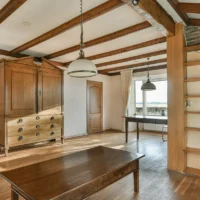
These beams are valued not only for structural integrity but also for their aesthetic charm. Exposed timber frame beams add warmth, character, and a rustic elegance to interiors. Additionally, they often display natural knots, grain patterns, and textures that enhance the overall design of homes, barns, and commercial buildings. Because of their size and solid construction, timber frame beams can last for decades when properly maintained, making them a durable and long-term investment.
How They Differ from Conventional Stick Framing
The primary difference between timber frame beams and stick framing lies in their scale and construction method. Stick framing typically uses 2×4 or 2×6 lumber arranged in a repetitive pattern to support walls and roofs. Conversely, timber frame beams consist of massive timber sections, often joined with traditional woodworking techniques like mortise-and-tenon joinery. This method minimizes the need for metal fasteners and allows for open, uninterrupted spaces that stick framing cannot easily achieve.
Types of Timber Frame Beams
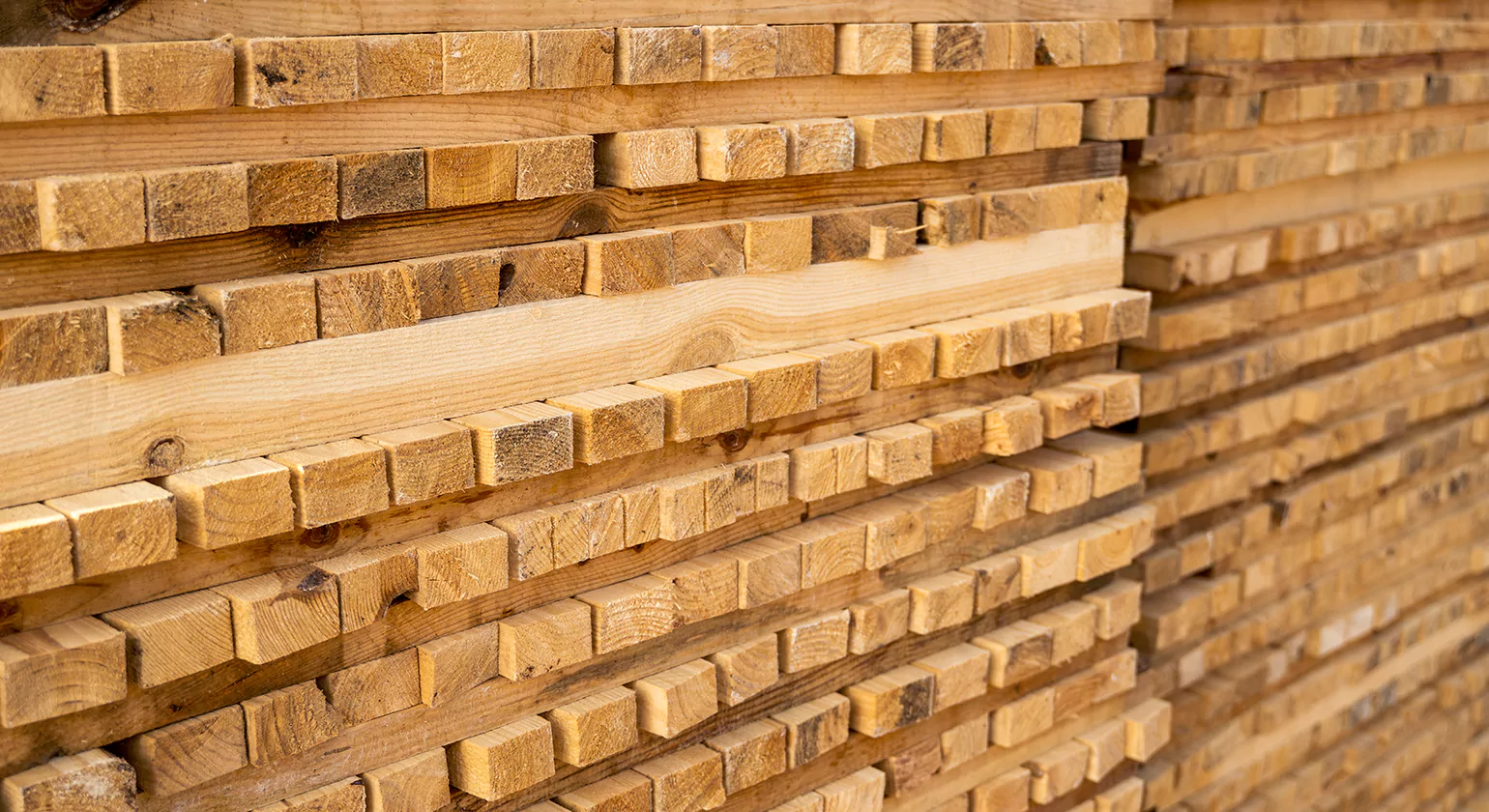
Furthermore, timber frame beams distribute structural loads more efficiently, which reduces the need for interior load-bearing walls. This flexibility enables architects and builders to design wide-open living spaces, vaulted ceilings, and intricate rooflines, enhancing both functionality and aesthetics.
Hand-Hewn Beams
Hand-hewn timber frame beams are crafted using axes and adzes, giving each piece a unique, textured surface. They are often preferred for historic restorations or rustic designs where authenticity is important. The artisanal process adds character and can create subtle variations that make each beam one-of-a-kind.
Rough-Sawn Beams
Rough-sawn beams are milled using industrial saws but retain a slightly rough surface. They offer a balance between handcrafted appeal and modern production efficiency. Many homeowners and designers choose rough-sawn beams for exposed ceiling applications, as they provide a natural look without the labor-intensive process of hand-hewing.
Glulam (Engineered) Timber Beams
Glulam, or glued laminated timber, combines smaller wood pieces bonded together with strong adhesives. This method produces exceptionally strong and stable beams that can span greater distances than traditional solid wood. Glulam timber frame beams are ideal for contemporary homes, commercial buildings, and large-span roof structures where both performance and aesthetics are critical.
Reclaimed and Antique Timber Beams
Reclaimed timber beams are salvaged from old barns, warehouses, or factories, offering sustainability and history in one package. Antique beams often feature hand-hewn marks, nail holes, and weathered textures, making them a popular choice for designers seeking authentic, character-rich interiors. Using reclaimed beams also aligns with eco-friendly construction practices by reducing waste and promoting recycling.
Popular Wood Species for Timber Frame Beams
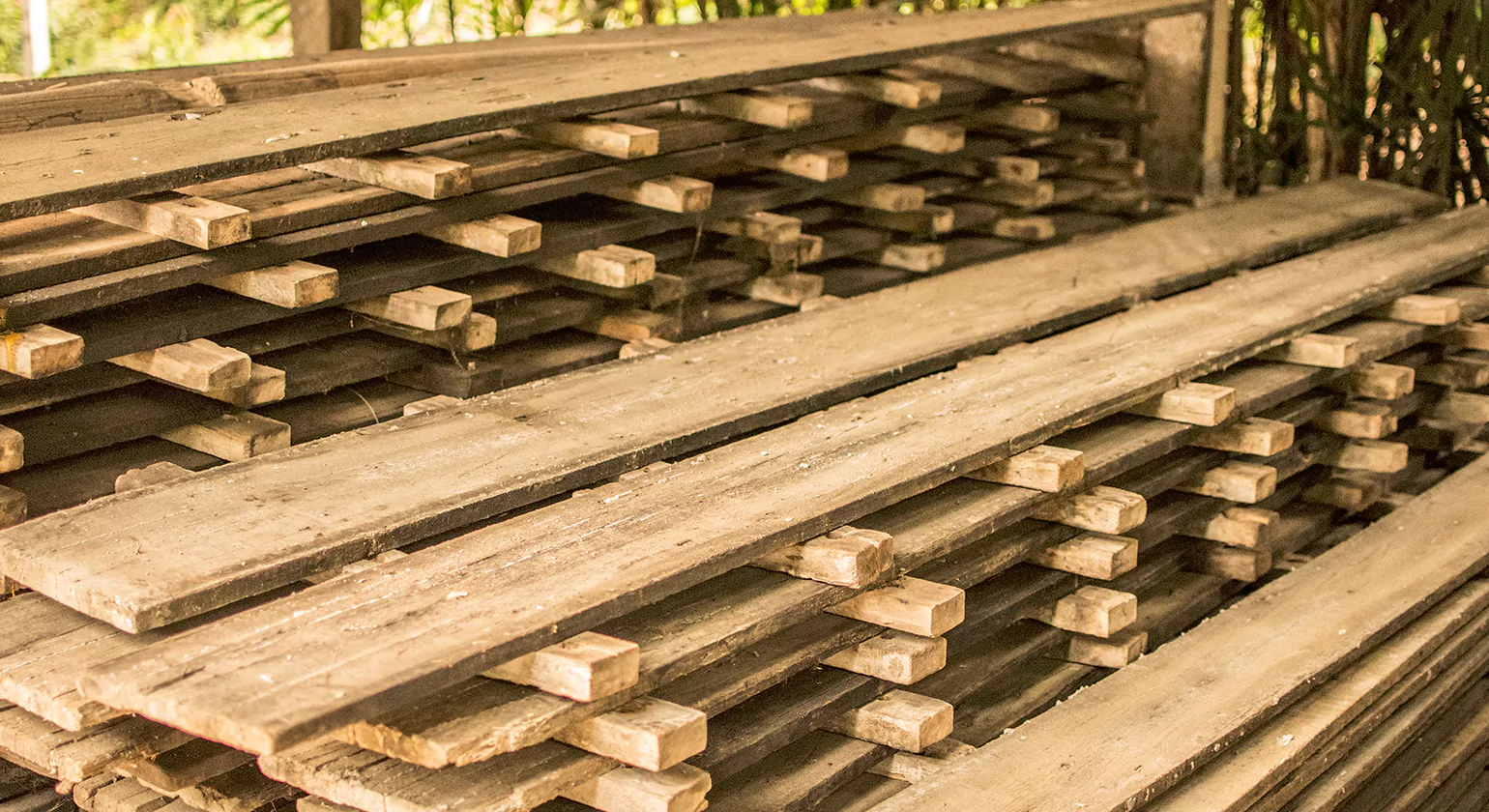
Oak
Oak is one of the most widely used wood species for timber frame beams due to its exceptional strength and durability. It offers a tight grain pattern that resists warping, splitting, and insect damage. Moreover, oak’s rich color and natural luster add a timeless appeal to interiors. While slightly more expensive than other species, its longevity often makes it a cost-effective choice over time.
Douglas Fir
Douglas fir is favored for its combination of strength, workability, and straight grain. It is relatively lightweight compared to oak, which simplifies handling during installation. Douglas fir beams can span long distances without additional support, making them ideal for large open rooms or vaulted ceilings. Additionally, their warm reddish tones complement both rustic and modern designs.
Pine
Pine timber frame beams are popular for projects on a tighter budget, as the wood is more affordable and widely available. Pine is softer than oak or fir, which means it is easier to shape and join. However, it may be more prone to dents and scratches. To maintain its appearance, pine often requires sealing or finishing to protect against moisture and insects.
Cedar
Cedar beams are prized for their natural resistance to rot, decay, and insect damage. They are lightweight yet durable, making installation easier. Cedar also has a distinctive aroma and a rich reddish-brown hue that darkens over time, adding character to any structure. Its aesthetic qualities make it a popular choice for exposed timber frame beams in homes and outdoor structures.
Hemlock
Hemlock is a versatile option with a relatively uniform texture and light color, which takes stains and finishes well. It is moderately strong and affordable, making it a practical choice for both structural and decorative beams. Hemlock beams can provide a clean, modern look while still maintaining the traditional appeal of timber framing.
Timber Frame Beams vs. Conventional Beams
Structural Strength Comparison
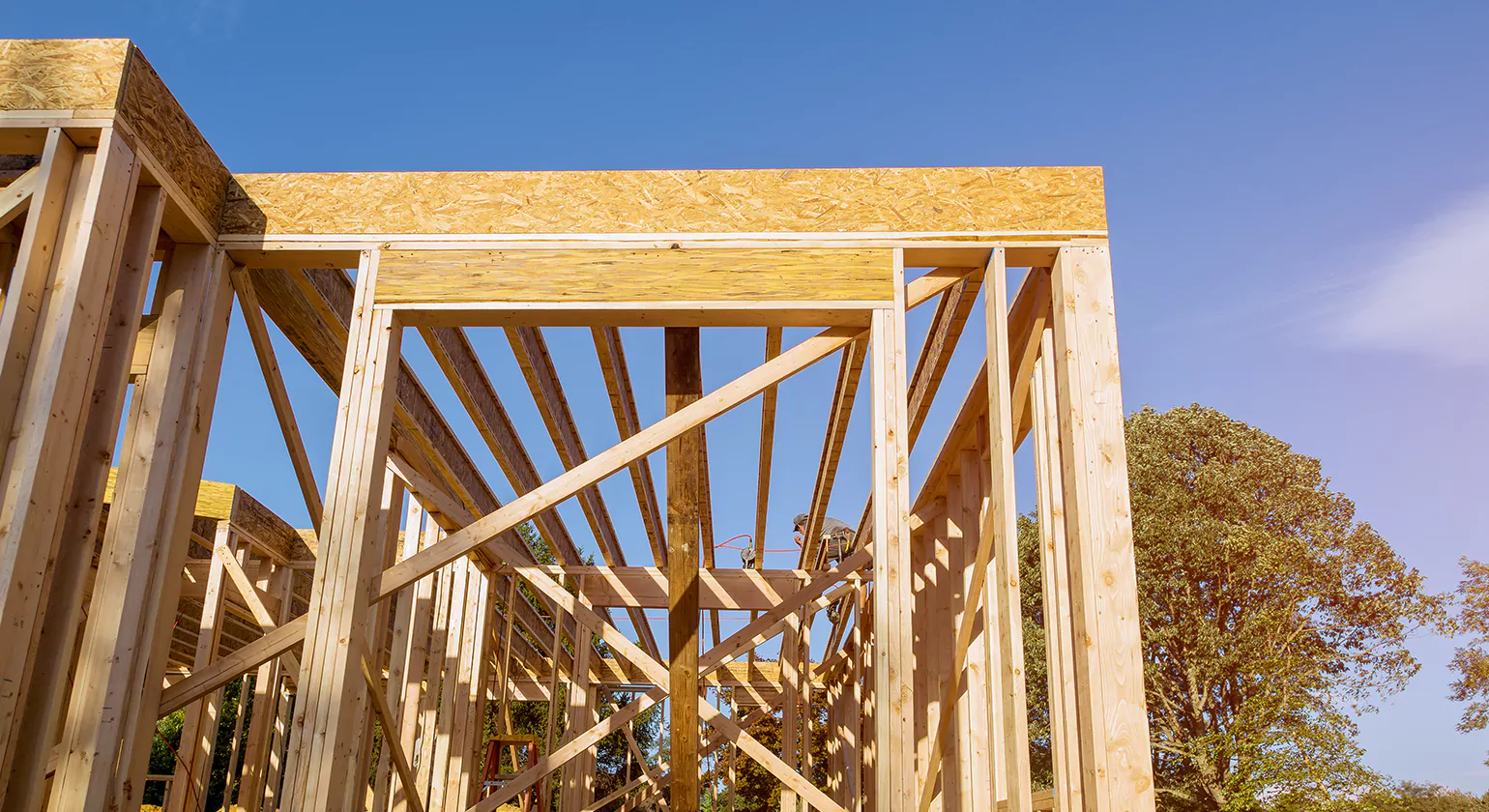
Timber frame beams provide superior load-bearing capabilities compared to conventional stick framing. Their larger cross-section and solid construction allow them to support heavy roof loads and expansive spans without requiring frequent interior supports. This advantage is particularly beneficial in creating open floor plans or vaulted ceilings, where conventional beams may need additional reinforcements.
Aesthetic Differences
Unlike standard beams, timber frame beams serve both structural and decorative purposes. Exposed timber frame beams add warmth, texture, and character to interiors, whereas conventional beams are usually concealed behind drywall or finished surfaces. Additionally, timber beams can showcase natural wood patterns, knots, and textures, making them visually appealing in both rustic and modern architectural styles.
Cost and Installation Differences
The initial cost of timber frame beams is generally higher than conventional framing lumber due to their size, material quality, and craftsmanship requirements. Installation also requires careful planning, specialized equipment, and skilled labor, especially when lifting and securing large beams. However, this investment is often offset by the long-term durability and architectural value that timber frame beams provide. Furthermore, fewer interior supports may reduce material needs elsewhere, partially balancing the overall project cost.
Advantages of Timber Frame Beams
Longevity and Durability
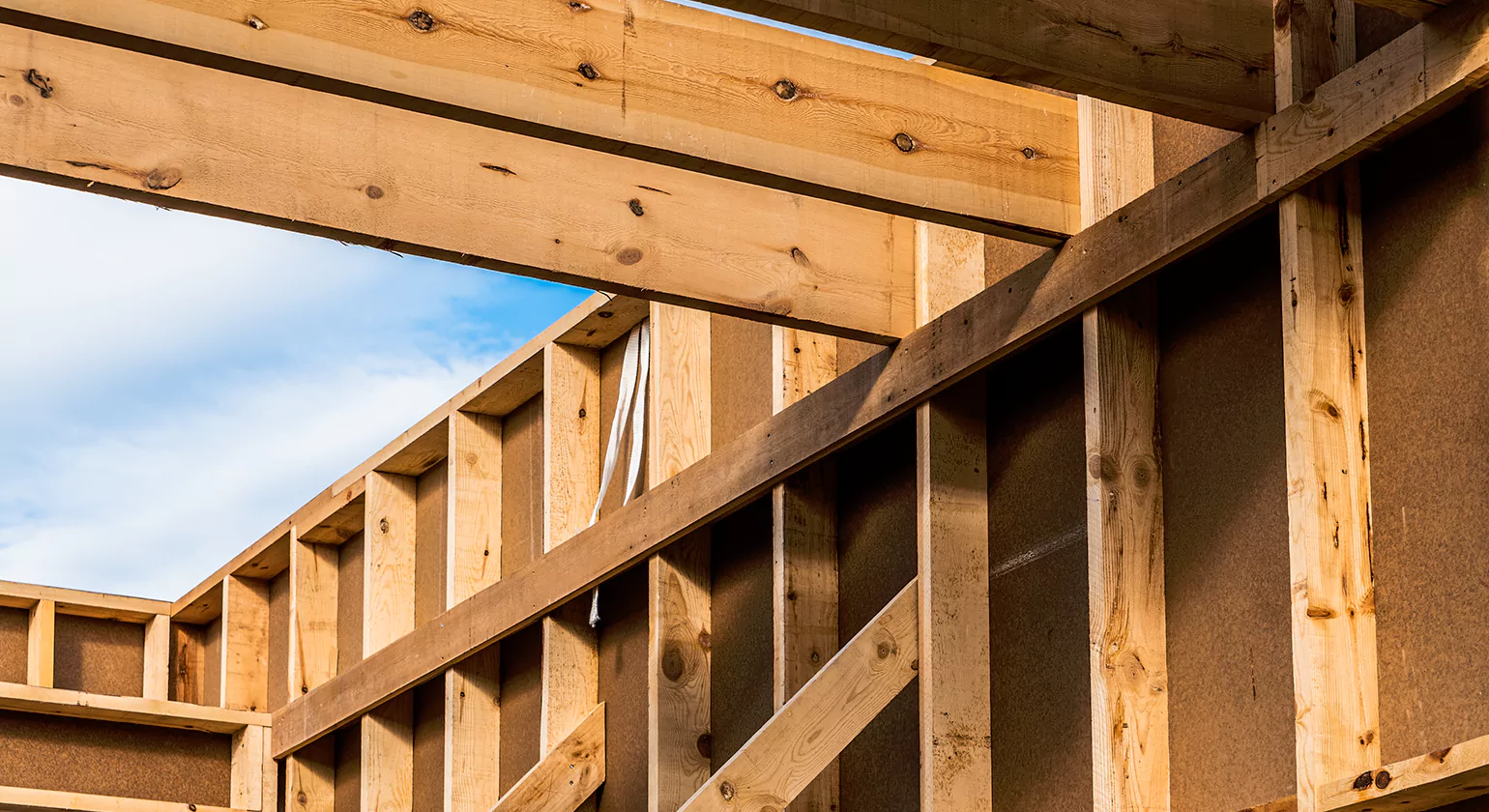
Timber frame beams are known for their remarkable longevity, often lasting for several decades when properly maintained. Unlike smaller framing lumber, these beams are solid and dense, which allows them to withstand significant structural loads. Moreover, they resist warping and cracking over time, ensuring a stable and secure framework for any building. For homeowners seeking a long-term investment, timber frame beams provide both reliability and peace of mind.
Rustic and Architectural Appeal
One of the main reasons designers and builders favor timber frame beams is their unique aesthetic appeal. Exposed beams create a warm, rustic atmosphere while enhancing architectural character. They can transform ordinary spaces into visually striking interiors with cathedral ceilings, open-concept living areas, and dramatic rooflines. Additionally, timber frame beams serve as focal points that complement both traditional and contemporary design styles, adding charm and elegance to any structure.
Eco-Friendly and Sustainable Choice
Sustainability is another significant advantage of using timber frame beams. Wood is a renewable resource, and many timber beams are sourced from responsibly managed forests. Furthermore, reclaimed timber beams reduce waste by repurposing wood from older structures, promoting environmentally conscious construction practices. By choosing timber frame beams, builders not only enhance the building’s aesthetic and structural qualities but also contribute to a greener and more sustainable future.
Disadvantages of Timber Frame Beams
Higher Upfront Costs
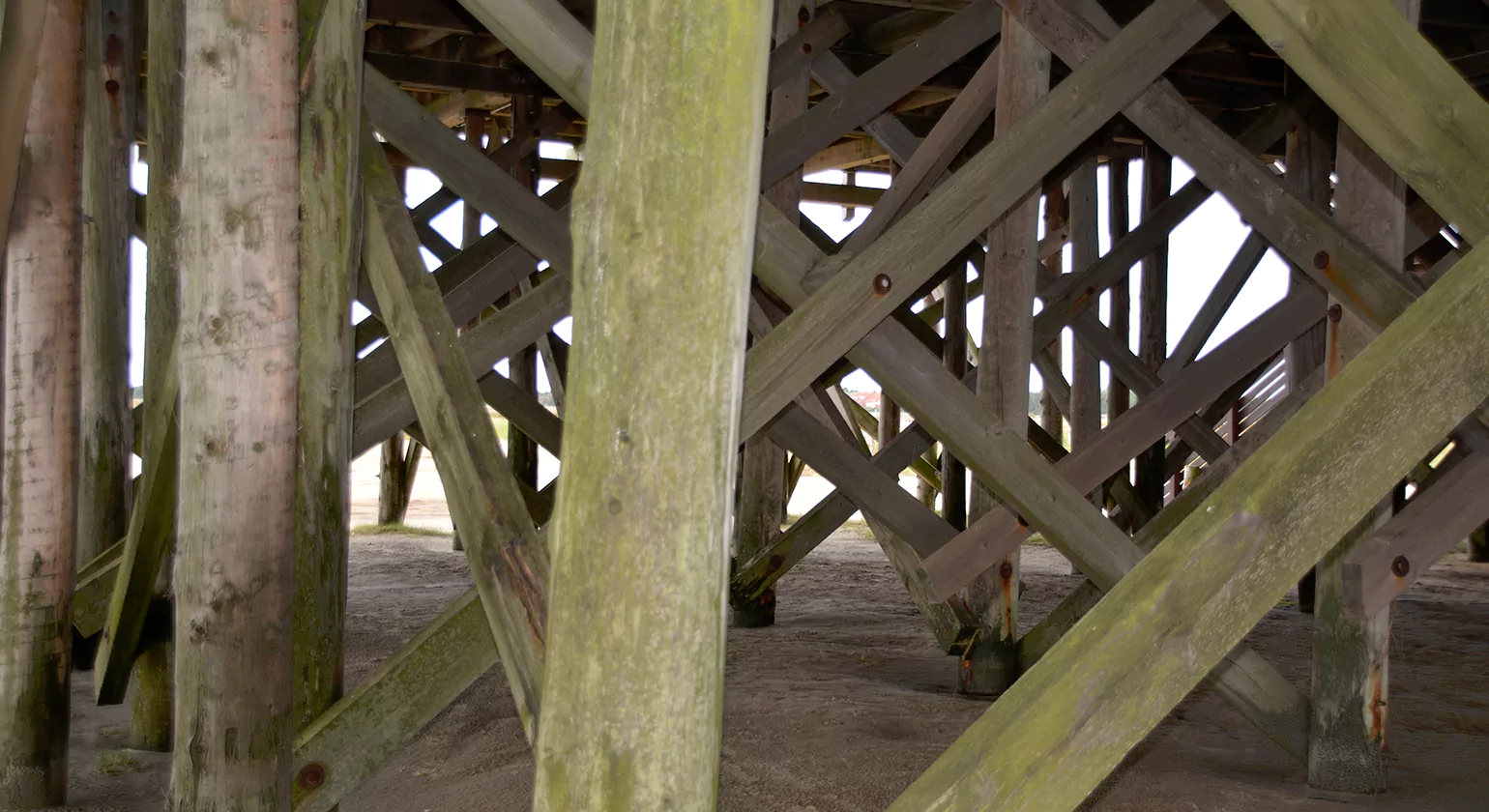
One drawback of timber frame beams is the initial expense. Compared to conventional stick framing, timber beams require more material and skilled labor to fabricate and install. Although the long-term benefits, including durability and design appeal, often justify the cost, homeowners and builders should anticipate a higher upfront investment when planning their projects.
Weight and Handling Challenges
Timber frame beams are large and heavy, which can make transportation and installation more complicated. Specialized equipment such as cranes or lifting jigs is often necessary, particularly for multi-story structures or wide-span beams. In addition, precise handling is critical to avoid damage during placement, so careful planning and coordination are essential.
Maintenance Considerations
While timber frame beams are durable, they do require routine maintenance to preserve their structural integrity and appearance. Moisture, pests, and UV exposure can affect the wood over time. Therefore, regular inspections, sealing, and refinishing are necessary to prevent rot or insect damage. Homeowners should also ensure that any minor cracks or surface wear are addressed promptly to maintain both safety and visual appeal.
Despite these challenges, many builders and designers consider timber frame beams a worthwhile choice because the advantages often outweigh the drawbacks. Their combination of strength, aesthetic appeal, and sustainability makes them a standout option for residential and commercial projects.
How Timber Frame Beams Are Made
Traditional Handcrafting Methods
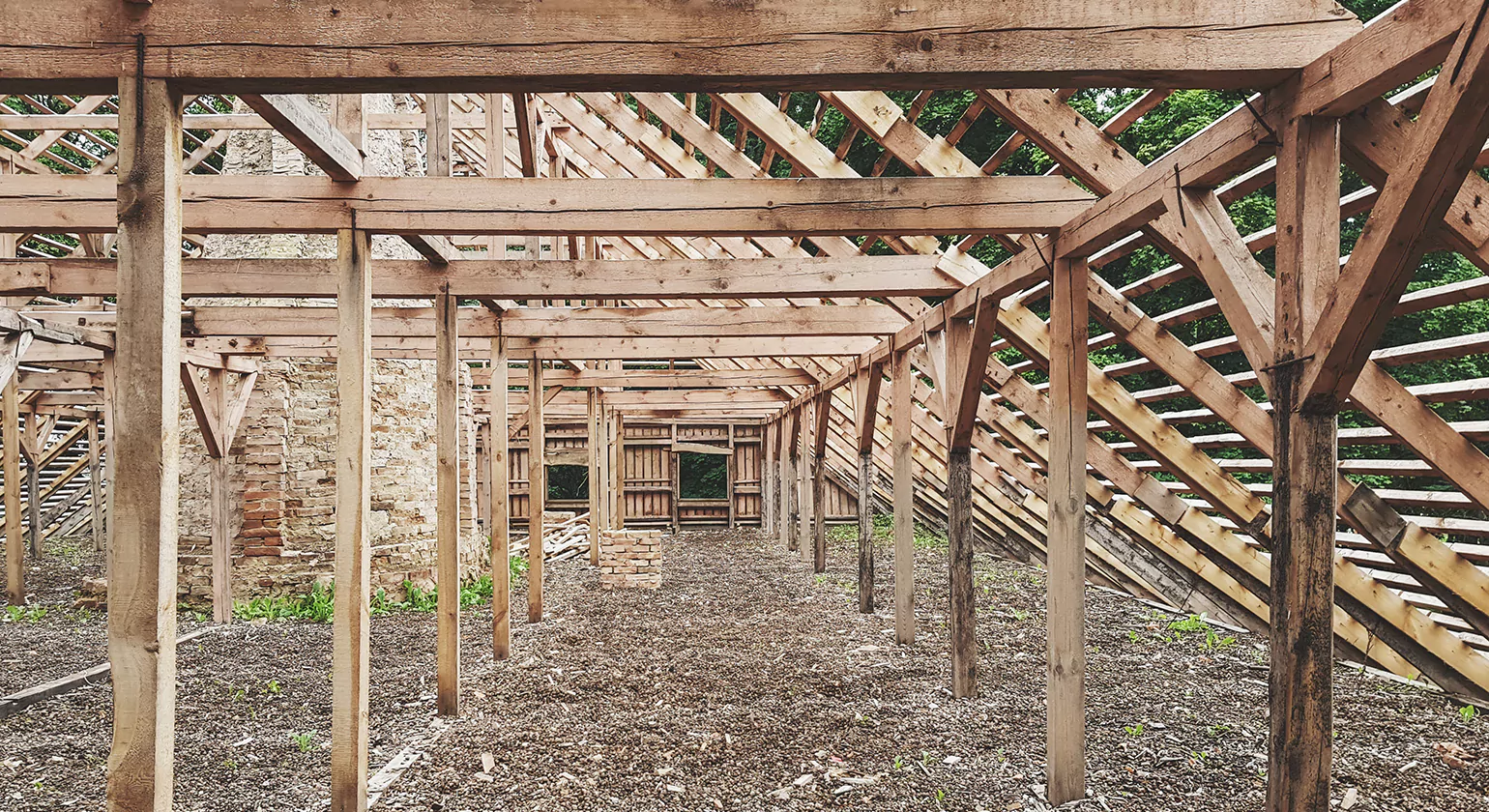
Timber frame beams have been crafted by skilled artisans for centuries using traditional handcrafting techniques. Initially, large logs are selected based on strength, straightness, and overall quality. Craftsmen then use axes, adzes, and hand saws to shape each beam. This method not only produces structurally sound beams but also preserves the wood’s natural character, including knots, grain patterns, and textures. Consequently, these beams often feature a unique aesthetic that cannot be replicated with modern machinery.
Modern Milling and Joinery Techniques
Today, many timber frame beams are produced using advanced milling processes that combine precision and efficiency. Modern sawmills can cut beams to exact dimensions, ensuring consistency across a project. Additionally, computer-aided machinery can create intricate joinery patterns and smooth surfaces, reducing the time required for manual shaping. These techniques make it possible to produce large-scale beams quickly while maintaining structural integrity and aesthetic appeal.
Mortise-and-Tenon Joinery
Mortise-and-tenon joinery is a hallmark of timber framing, and it plays a critical role in connecting timber frame beams securely. In this method, a cavity (mortise) is cut into one beam, and a corresponding projection (tenon) is shaped on the adjoining beam. When fitted together, the beams form a strong and stable connection without relying solely on metal fasteners. This traditional joinery ensures long-lasting durability while allowing the wood to naturally expand and contract with environmental changes.
Installation of Timber Frame Beams
Planning and Measuring
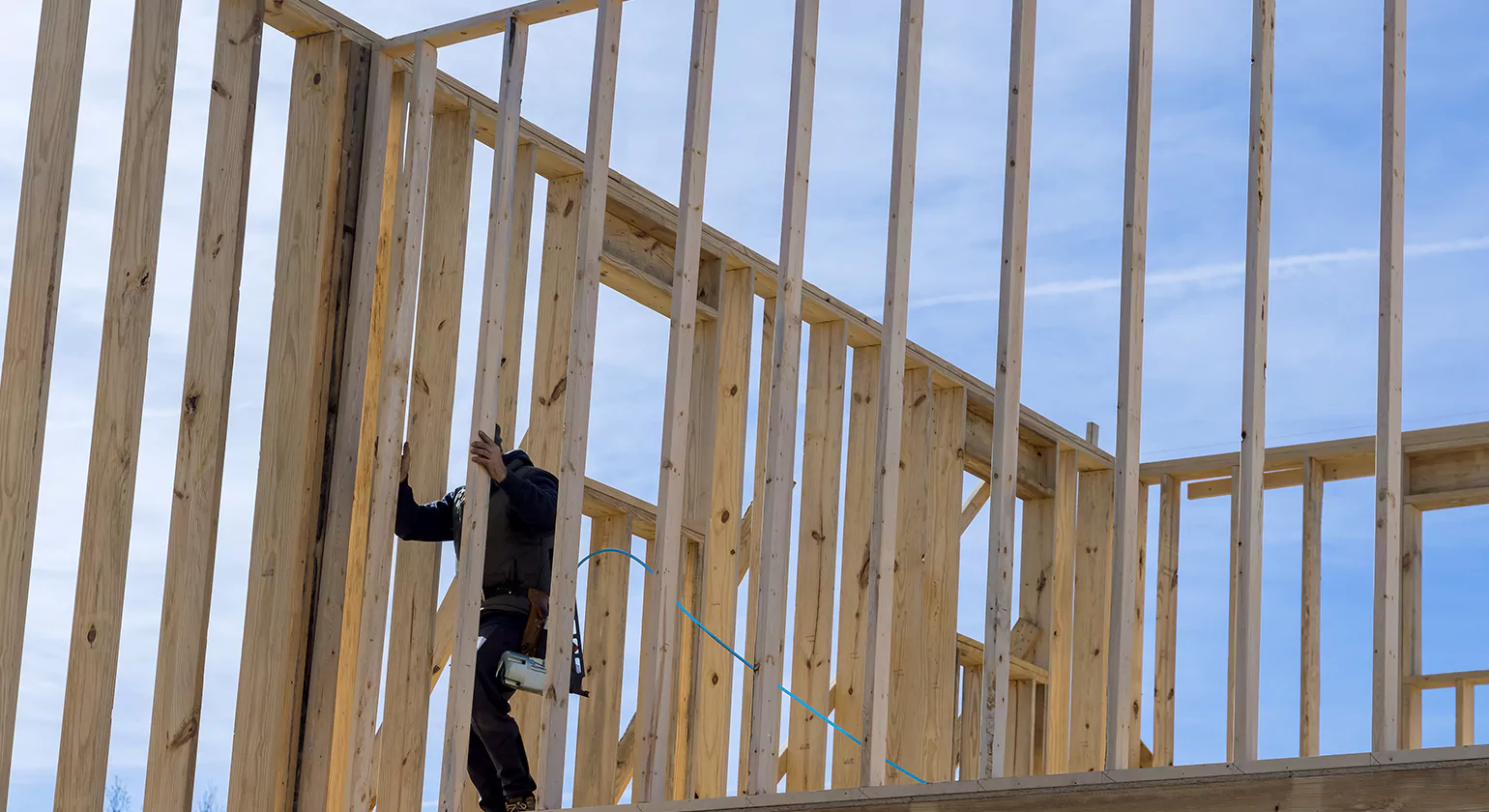
Proper installation begins with careful planning and precise measurements. Builders must account for beam dimensions, load requirements, and the overall design of the structure. Mistakes in planning can lead to misaligned beams, compromised structural integrity, and costly adjustments. Therefore, detailed layouts, blueprints, and accurate site measurements are essential before lifting any timber frame beams into place.
Raising and Securing Beams
Lifting and securing timber frame beams require specialized equipment such as cranes, hoists, or scaffolding. Once positioned, beams are anchored to ensure stability and alignment with the building framework. Because these beams are heavy, teamwork and safety precautions are crucial during this stage. Additionally, temporary supports may be used to hold beams in place until all joints are properly fitted and secured.
Safety and Equipment Requirements
Installing timber frame beams involves inherent risks due to their size and weight. Therefore, safety equipment like helmets, gloves, harnesses, and steel-toed boots is mandatory. Furthermore, proper handling techniques and adherence to safety protocols help prevent accidents and damage to the wood. Using the right tools and machinery not only ensures safety but also improves efficiency and precision during installation.
Overall, understanding how timber frame beams are crafted and installed helps builders and homeowners appreciate the craftsmanship, structural benefits, and design possibilities these beams offer. With proper planning, equipment, and techniques, they can elevate both the strength and aesthetics of any building.
Design Ideas Using Timber Frame Beams
Exposed Beams in Living Rooms and Kitchens
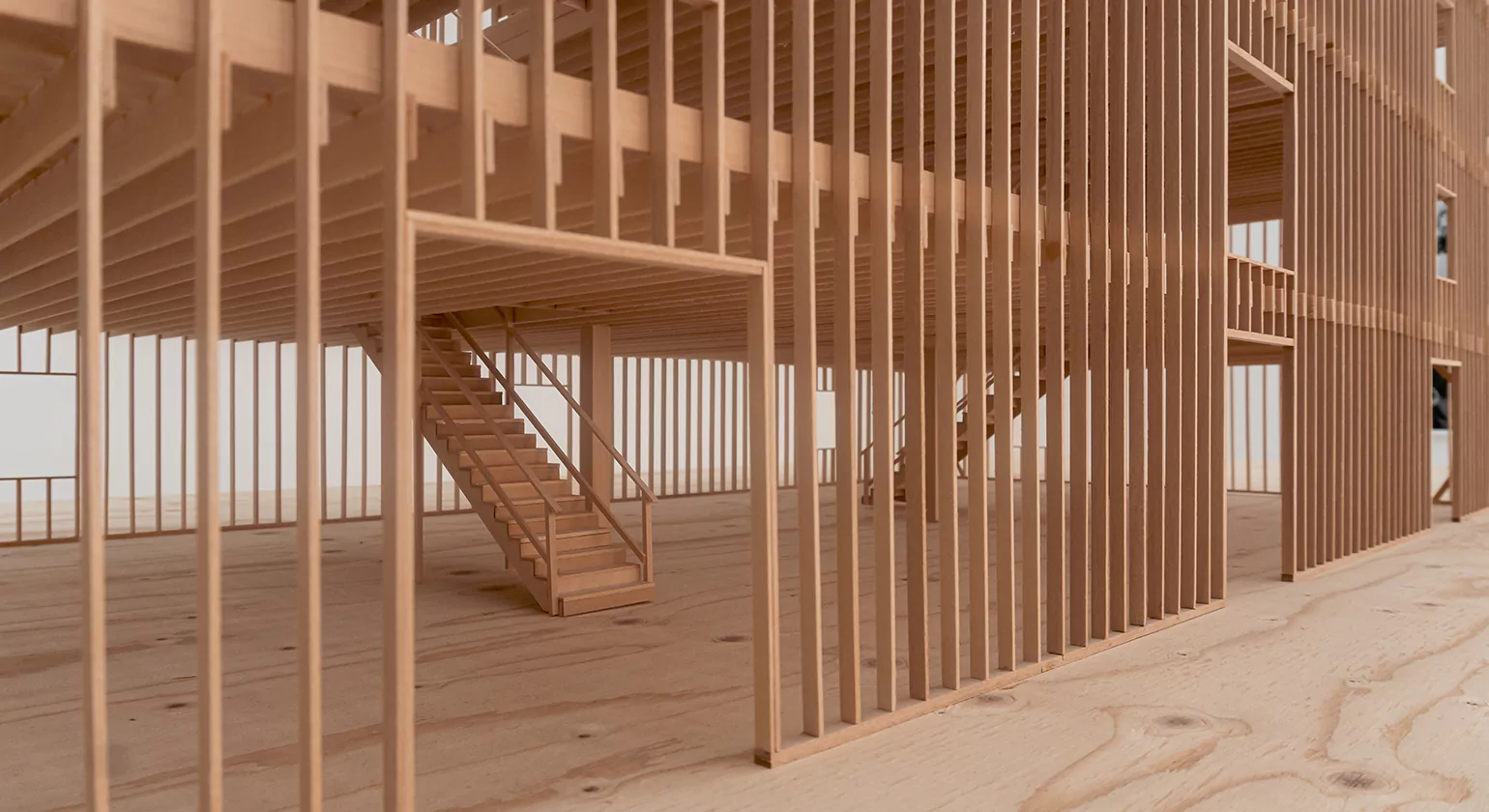
Exposed timber frame beams can dramatically enhance the character of living rooms and kitchens. They provide a sense of warmth and structural authenticity that modern materials often lack. In open-concept homes, these beams serve as focal points while subtly dividing spaces. Furthermore, combining timber frame beams with natural finishes, such as stone or brick accents, can create a cohesive, rustic aesthetic that elevates interior design.
Cathedral Ceilings and Great Rooms
Cathedral ceilings featuring timber frame beams offer a striking architectural feature that draws the eye upward. These beams support expansive roofs while allowing for large, open spaces beneath. By carefully planning the beam layout, designers can highlight symmetry and balance, ensuring that the structure remains both functional and visually appealing. Additionally, incorporating accent lighting along the beams can further emphasize their natural beauty.
Outdoor Timber Frame Porches and Barns
Timber frame beams are not limited to indoor applications; they are also ideal for outdoor structures. Porches, pergolas, and barns benefit from the strength and durability of these beams. When exposed to the elements, it is important to choose weather-resistant wood species and apply proper finishing techniques. This approach ensures longevity while maintaining the visual charm that timber frame beams naturally provide. Furthermore, outdoor installations can be customized with intricate joinery to enhance both function and design.
Cost of Timber Frame Beams in 2025
Average Cost per Linear Foot
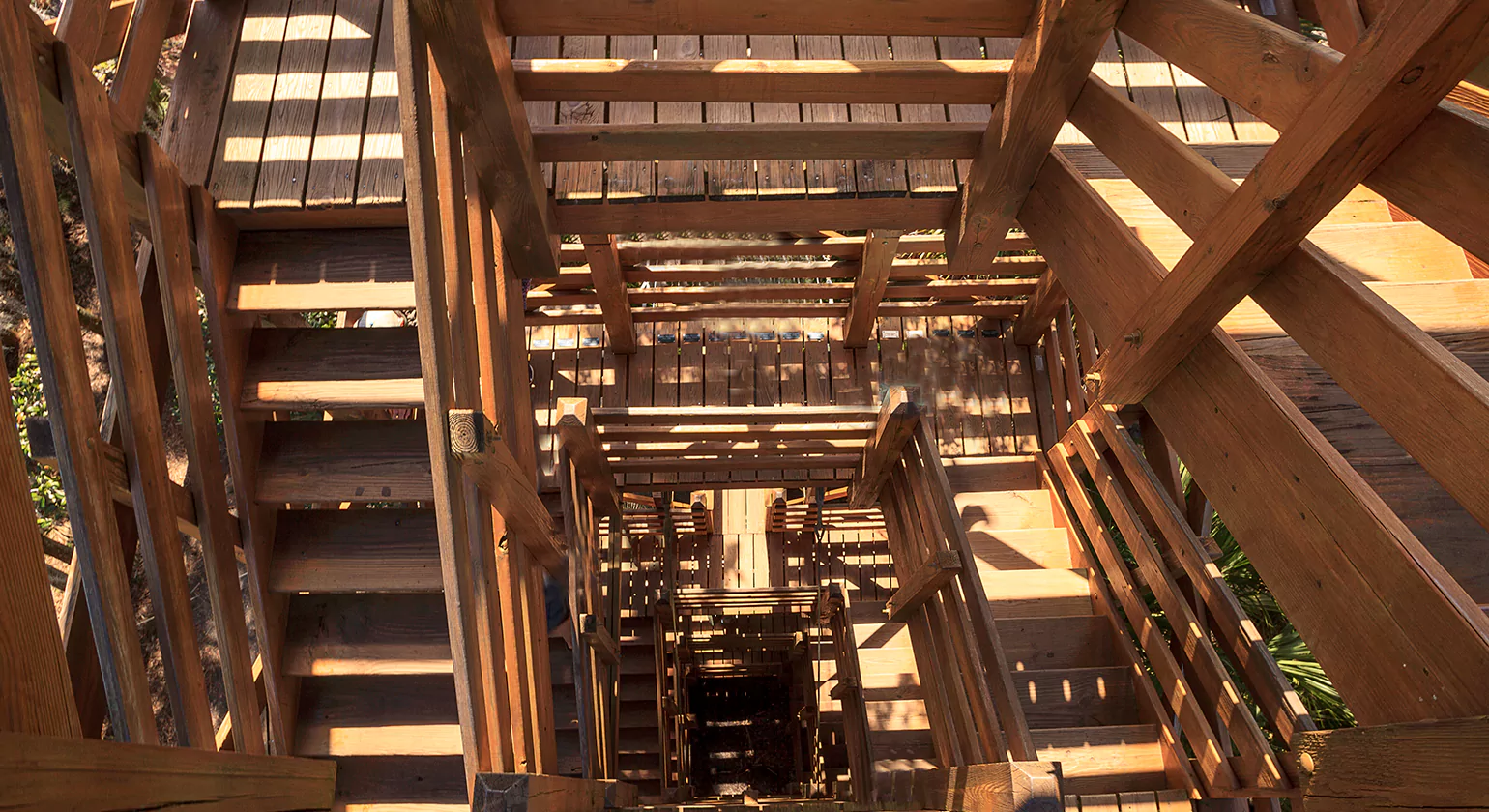
The price of timber frame beams varies depending on wood species, size, and finish. On average, solid wood beams range from $25 to $50 per linear foot, whereas engineered or glulam beams may cost slightly more due to their enhanced structural capabilities. Although the initial expense is higher than conventional lumber, many homeowners find the long-term investment worthwhile because of the durability and aesthetic benefits.
Installation and Labor Costs
Labor costs for installing timber frame beams can be significant because of their weight and size. Skilled carpenters are often required to ensure precise alignment, secure joinery, and proper support during installation. Equipment such as cranes or hoists may also be necessary for larger spans. As a result, installation expenses can sometimes match or exceed the material cost, emphasizing the importance of budgeting carefully for both labor and materials.
Factors That Affect Pricing
Several factors influence the overall cost of timber frame beams. Wood species, beam dimensions, milling method, and finish all play a role in pricing. Additionally, reclaimed or antique beams often carry premium costs due to their uniqueness and history. Geographic location and availability can further impact material and labor expenses. Considering these variables ahead of time allows homeowners and builders to plan more accurately and avoid unexpected budget overruns.
By understanding design possibilities and cost considerations, homeowners can make informed decisions when incorporating timber frame beams into their projects. Proper planning ensures that these beams provide both functional support and lasting visual appeal.
Maintenance and Care for Timber Frame Beams
Protecting Against Moisture, Rot, and Pests
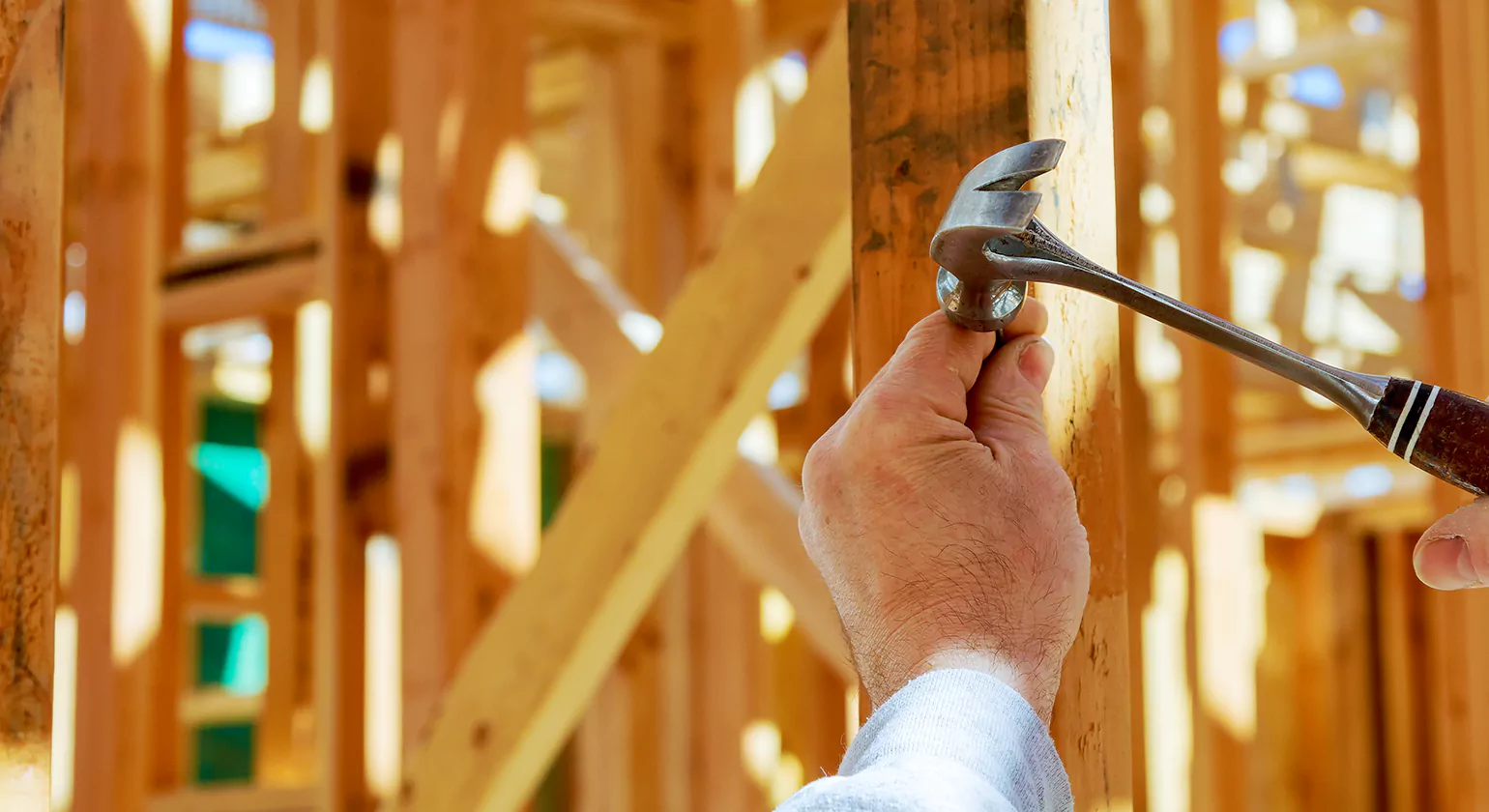
Timber frame beams require consistent care to maintain their structural integrity and appearance. Moisture is a major concern, as prolonged exposure can lead to rot and weaken the wood. To prevent damage, applying water-resistant sealants and ensuring proper ventilation in the building are essential. Additionally, pests such as termites and wood-boring insects can compromise beams over time. Regular inspections and treatment with appropriate insecticides help protect the timber frame beams and extend their lifespan.
Cleaning and Refinishing
Regular cleaning and refinishing are crucial to preserving the aesthetic appeal of timber frame beams. Dust, dirt, and grease can accumulate on exposed surfaces, especially in kitchens or high-traffic areas. Gentle cleaning with non-abrasive materials removes debris without damaging the wood. Periodically refinishing or applying protective coatings enhances the natural grain, restores color, and provides an extra layer of protection against environmental factors.
Structural Inspections
Routine structural inspections are necessary to ensure timber frame beams remain safe and functional. Checking for cracks, splits, or signs of stress helps detect issues before they escalate. Professional assessments may be recommended for older buildings or beams supporting significant loads. By addressing minor issues early, homeowners can avoid costly repairs and maintain the long-term stability of their timber frame beams.
Timber Frame Beam Alternatives
Engineered Wood Beams (LVL, Glulam)
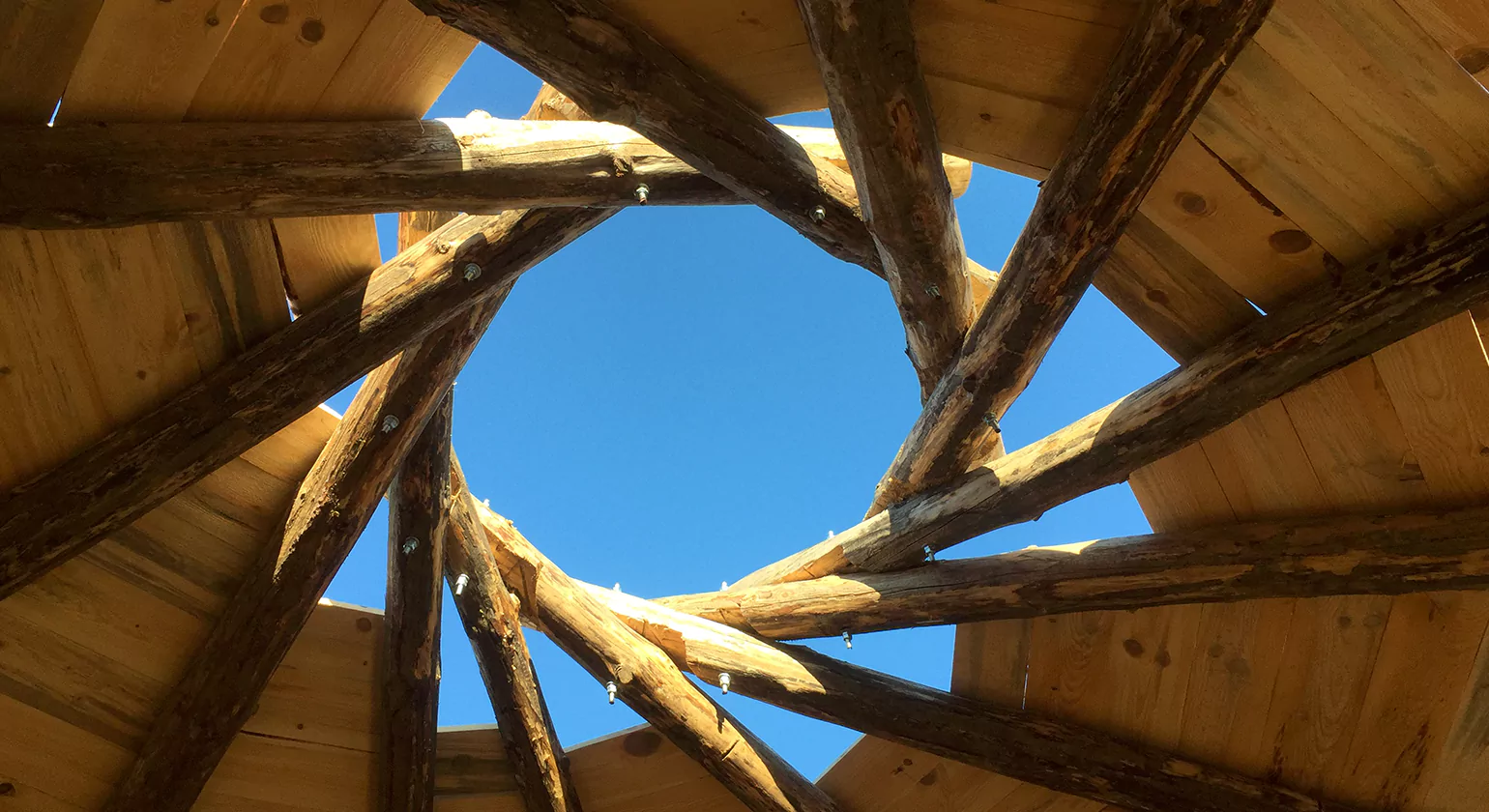
Engineered wood beams, including LVL (Laminated Veneer Lumber) and Glulam, are popular alternatives to solid timber frame beams. These products are manufactured by bonding multiple layers of wood, creating a strong and dimensionally stable beam. They offer similar aesthetic qualities while often being lighter and easier to handle. Moreover, engineered beams can span longer distances without support, making them suitable for modern designs that require open floor plans.
Steel I-Beams
Steel I-beams are another alternative for projects requiring maximum strength and durability. Unlike timber frame beams, steel beams can support extremely heavy loads while occupying less space. They are ideal for commercial buildings or industrial applications, where long spans and structural efficiency are critical. However, steel lacks the natural warmth and aesthetic charm of wood, which may be a consideration for residential or rustic designs.
Hybrid Timber-and-Steel Systems
Hybrid systems combine the best of both worlds by integrating timber and steel elements. These solutions provide the visual appeal of timber frame beams while benefiting from the added strength and stability of steel. For instance, a steel core may support long spans, while an outer timber layer maintains the rustic look. Hybrid systems are increasingly popular in contemporary architecture, offering flexibility, efficiency, and style.
Choosing between traditional timber frame beams and alternatives depends on project goals, budget, and aesthetic preferences. While engineered or steel solutions may reduce weight and cost, nothing quite matches the timeless appeal and natural warmth of solid timber frame beams. Evaluating the pros and cons of each option ensures that builders select the best solution for both structural and design requirements.
Conclusion
Timber frame beams offer a perfect combination of strength, durability, and timeless aesthetic appeal. From hand-hewn craftsmanship to modern engineered options, they suit a variety of architectural styles and design preferences. While costs and installation require careful planning, their longevity and visual impact make them a worthwhile investment. Proper maintenance ensures performance indoors or outdoors. Sustainable sourcing enhances eco-friendliness. Design flexibility allows for open spaces, vaulted ceilings, and exposed features. Overall, timber frame beams remain a durable and elegant choice for both residential and commercial projects.
Know more>>> Timber Frame Cottage Everything You Need to Know
FAQ’s
1. Are timber frame beams stronger than steel?
Timber frame beams are strong and durable but generally not as strong as steel in terms of load-bearing capacity. However, they provide excellent structural support for residential and moderate commercial projects while adding aesthetic warmth and flexibility that steel cannot match.
2. How long do timber frame beams last?
With proper maintenance, timber frame beams can last 50–100 years or more. Regular inspections, moisture protection, and refinishing help prevent rot, pests, and structural damage, ensuring long-term durability and performance for both indoor and outdoor applications.
3. What wood is best for timber framing?
Commonly used wood species include oak, Douglas fir, pine, cedar, and hemlock. Oak and Douglas fir offer superior strength, while cedar and pine provide aesthetic appeal and affordability. The best choice depends on structural requirements, budget, and desired appearance.
4. How much do timber frame beams cost?
Prices vary based on wood type, size, and finish. On average, solid timber frame beams range from $25–$50 per linear foot, while engineered beams like Glulam may cost slightly more. Installation and labor costs should also be considered for accurate budgeting.
5. Can timber frame beams be used indoors and outdoors?
Yes, timber frame beams are versatile for both indoor and outdoor applications. Indoors, they enhance aesthetics with exposed ceilings, while outdoors they support porches, barns, and pergolas. Proper finishing and maintenance are essential for longevity, especially in outdoor environments exposed to moisture and sunlight.