Table of Contents
Introduction
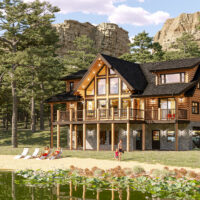
A Log or timber frame home is becoming an increasingly popular choice for homeowners. You may be wondering what the difference may be between a log or timber home? The desired appearance of your home will help you decide which is best for you. The key difference is how the wood is used to construct the two structures. Here are many things you need to know about the difference between a log home and a timber frame home.
Log Home Structures Are Energy Efficient
A log home can be built quickly by using only stacked logs to create the framework. When a log wall is assembled it performs 5 functions of a conventionally framed wall (which is the type of walls used to build a timber frame home. The logs substitute for framing, sheathing, insulation, siding and interior paneling. In essence, one application of labor to assemble log walls performs the same job as five applications of labor for conventionally framed walls.
Of course, the logs also replace all of that material. The logs can come in a variety of shapes, textures and sizes. This type of structure has the capability to withstand harsh weather elements better than the walls of a timber frame home because the walls are solid wood.
Unlike a timber frame, log homes benefit from a tremendous amount of thermal mass within the logs which can provide greater energy efficiency without additional insulation materials. The large mass in log walls maintain a more constant temperature than timber framed walls. Be aware that if your log home is built with any other species of wood than incense cedar, more maintenance may be required for a log home in the first few years because the logs need to settle.
While settling, adjustments may need to be made to keep joinery tight. That is one of the reasons why at Sierra Log and Timber we use only Incense cedar for the walls of the homes we build. Compared to a home that does not have natural wood on the exterior, log homes can require more maintenance as stain needs reapplied more often than paint for a painted home.
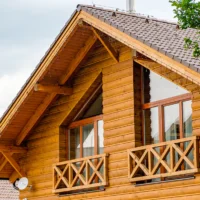
However, if a timber frame home is built to enjoy the natural beauty of wood on the exterior, it will need to be stained more often than a log home because the smaller mass of the siding responds to temperature changes more rapidly than a log home, which will require more frequent reapplication of stain to maintain its beautiful appearance.
Timber Frame Home Basics Offer Flexibility
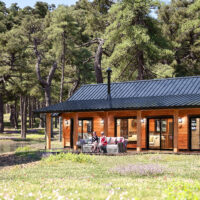
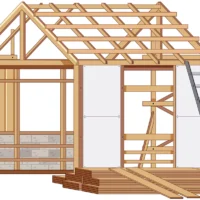
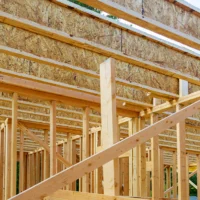
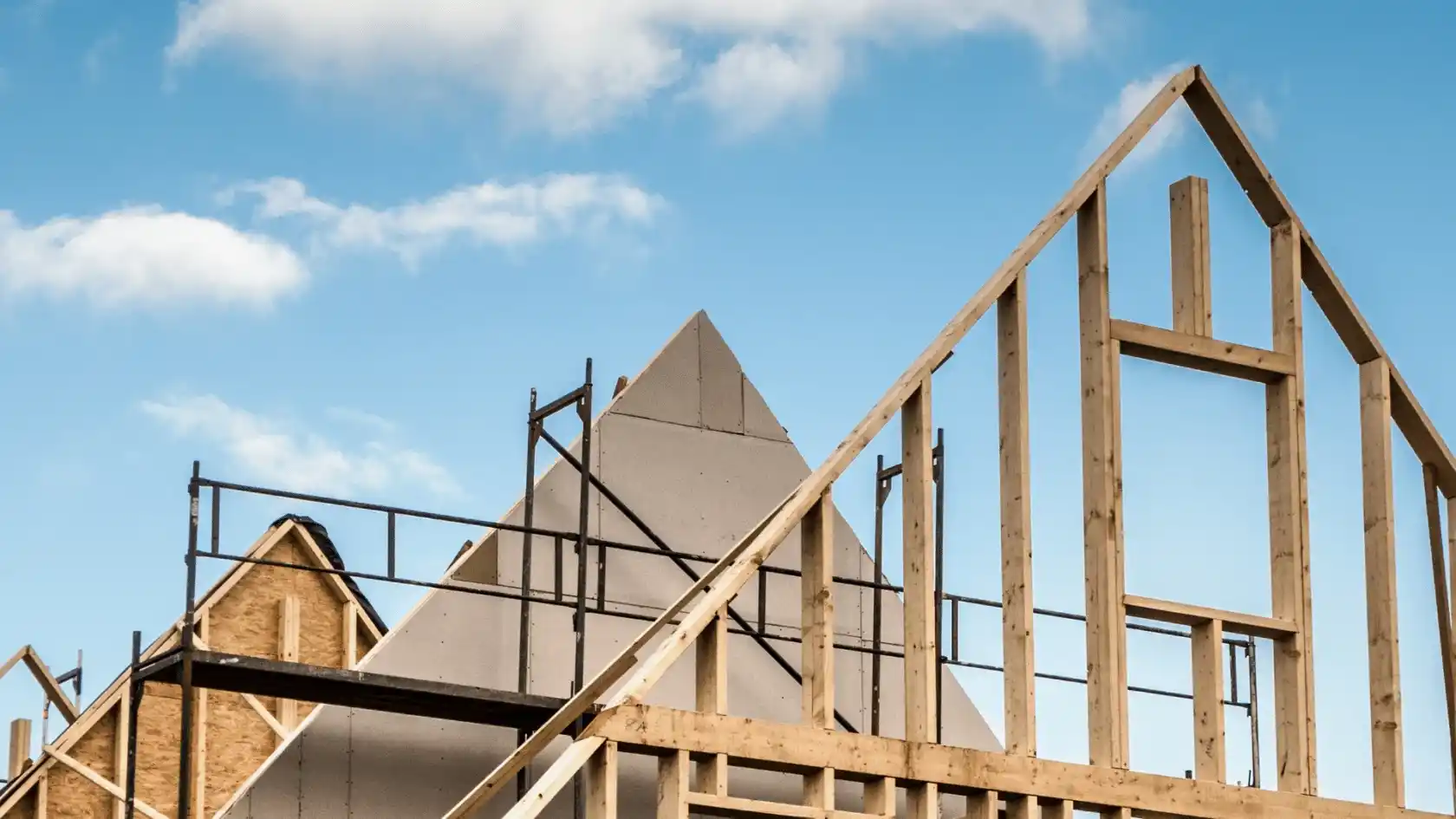
Log homes have a long history in building construction. The roots of the current design for a timber frame home dates back to the time of early settlers in the United States. A timber frame home differs from a log home by being built using vertical posts and beams. The most simple way to understand the basics of a timber frame home is to understand that the walls of a timber framed home are built basically the same as any other conventionally framed home with the addition of a timber frame structure built within. Some designs include the timber structure within the framed walls and some have the timber framed structure on the interior of the conventionally framed walls.
It stands to reason that because the additional timber frame material is added to a conventionally framed home that it would cost more because there is more material and labor to build that additional material. The roof structure of a timber framed home is often different from a conventionally framed home because the timber frame structure is most often designed to support the roof, which is typically the appearance that attracts homeowners to timber frame construction designs. Like a log home, because both timber framed and log homes contain a greater amount of material, both can be more expensive to build than traditional housing construction.
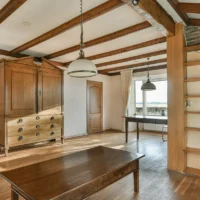
Unlike log homes, materials other than convention framing may be used to build the exterior walls. For example, structural insulated panels (SIP) may be used to provide greater energy efficiency. As with a conventionally framed home, using these panels allows you to apply your choice of paneling or siding to the exterior of the timber frame house. Depending on the choice of materials, the only wood you may see in the interior is the supporting wood posts and beams along the ceiling. Mortice and tenon joining and wooden pegs are often used to hold the timber frame structure together.
The interlocking frame helps support the roof, with most of the load transferred to the foundation. This also allows for expansive spaces often seen within log homes through the use of interior trusses. In addition, a timber frame home structure allows for less expansion and shrinkage that can be common over time in a log home that is not built using incense cedar.
The three primary reasons timber framed homes are chosen over a log home are as follows:
- More visible sheetrock can be achieved than with a log home which is built with exterior log walls.
- The perception that there is less maintenance with a timber framed home than with a log home.
- The perception that a log home might appear out of place in the environment at their building site.
Build Your Log Home or Timber Frame Home Today
There are many things to consider when building your dream home. The decision to build a log home or a timber frame home ultimately comes down to personal preference in appearance. If you cannot choose between the two, you can combine the best of both log and timber homes to create your own unique configuration. Sierra Log & Timber has experience doing that very thing and can help you with all your design plans, whether you choose a log home or a timber frame home. Schedule a design consultation to start building a log home or a timber frame home today.
Conclusion
Both log homes and timber frame homes offer unique benefits, from the energy efficiency and natural charm of stacked logs to the flexibility and open layouts of timber framing. While log homes excel in thermal mass and rustic appeal, timber frame homes provide design versatility and the option for different wall materials. Ultimately, your choice depends on personal style, maintenance preferences, and budget. With the option to combine both styles, you can create a custom home that reflects your vision. Partnering with experts like Sierra Log & Timber ensures your dream home is built with craftsmanship, durability, and timeless beauty.
FAQ'S
1. What is the main difference between a log home and a timber frame home?
The primary difference lies in construction. Log homes use stacked logs as the walls themselves, while timber frame homes use posts and beams with conventionally framed or panel-based walls.
2. Are log homes more energy efficient than timber frame homes?
Yes, log homes naturally provide thermal mass, which helps regulate indoor temperature. However, timber frame homes can achieve high efficiency with options like structural insulated panels (SIPs).
3. Which requires more maintenance—a log home or a timber frame home?
Log homes generally require more upkeep, especially reapplying stain to protect the wood. Timber frame homes may require less frequent maintenance, depending on exterior materials chosen.
4. Do log homes take longer to build than timber frame homes?
Not necessarily. Log homes can actually be built more quickly since stacked logs replace multiple wall layers (framing, insulation, siding, etc.), whereas timber frame homes involve additional framing and materials.
5. Can I combine log and timber frame designs in one home?
Absolutely. Many homeowners choose hybrid designs, incorporating the rustic appeal of logs with the flexibility of timber frames for a custom, one-of-a-kind home.
6. Which option is more expensive: log homes or timber frame homes?
Both can be more costly than conventional homes because they use more material and labor. Timber frame homes may cost more due to the additional posts, beams, and framing elements.
7. What wood type is best for log homes?
Incense cedar is highly recommended because it reduces settling issues and requires less adjustment over time compared to other wood species.